
Almost every common beginner problem - clogged detail, chalky finish, visible brush strokes, patchy coverage - traces back to one thing: paint applied too thick. Learning to thin your paints is the highest-leverage habit in the hobby, and it costs nothing.
Why thin at all?
Paint straight from the pot is formulated to survive on a shelf, not to flow off a brush. Applied neat, it dries fast, leaves ridges, and fills the fine detail that makes miniatures worth painting. Thinning lets it flow smoothly, settle into a thin even film, and keep every detail crisp.
The right consistency
Aim for milk, not cream. Thinned paint should flow off the brush and self-level slightly, but still cover in two coats. If it runs like water and you can see through it, it is too thin (unless you want a glaze); if it leaves visible ridges, it is too thick.
What to thin with
- Water - free and works for most jobs. A drop or two on a wet palette is usually enough.
- Thinner medium / flow improver - keeps the paint's coverage and finish while thinning, better for metallics and large smooth areas where water can break up the paint.
- A wet palette - keeps your thinned paint workable for hours and is the best single upgrade for paint consistency.
Citadel (Warhammer Paints)
Reaper
Army Painter
Tips and common mistakes
- Two thin coats beats one thick coat - the most repeated advice in the hobby, because it is true.
- Thin on a palette, not in the pot - never water down the whole pot.
- Metallics need medium, not just water - water can split the metallic particles.
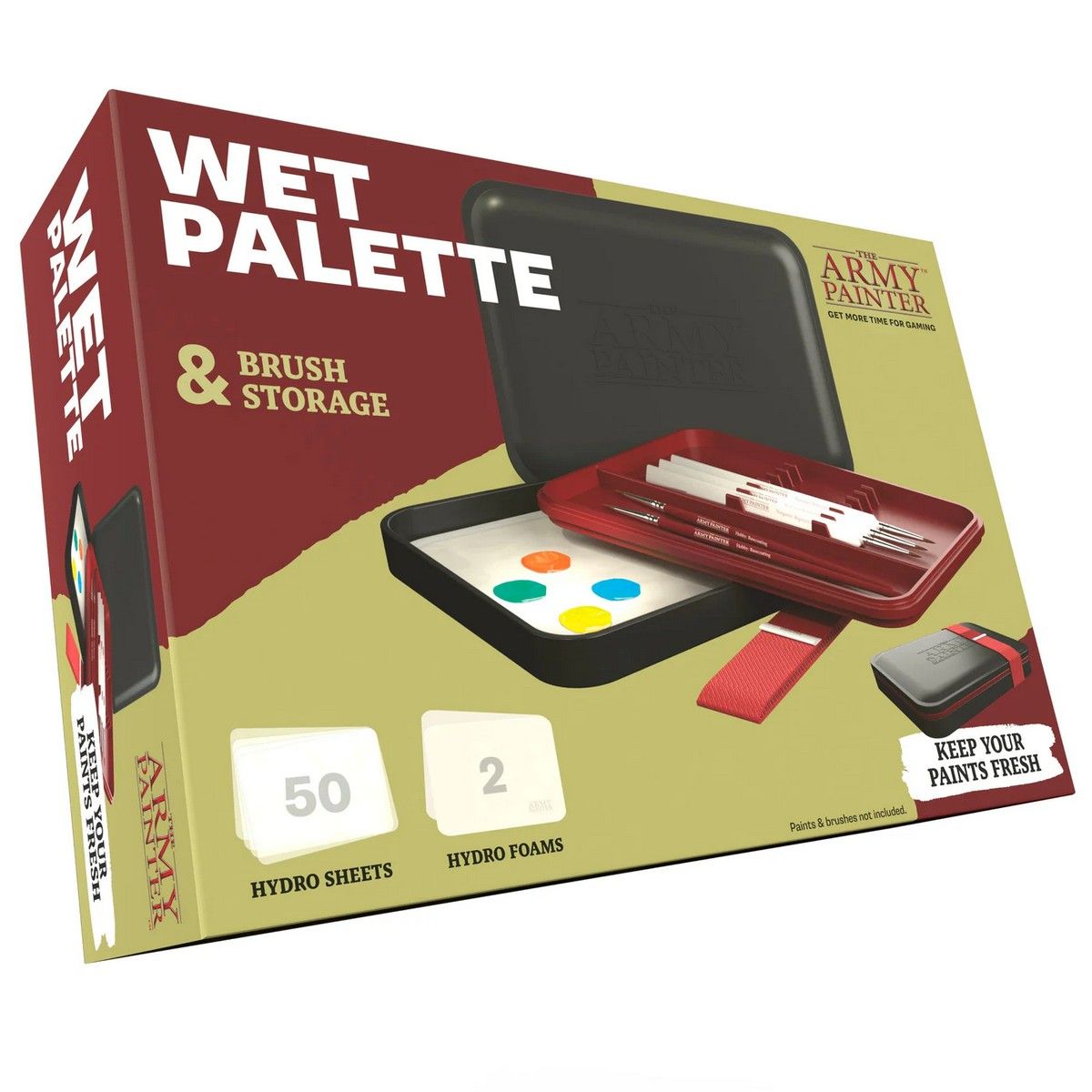

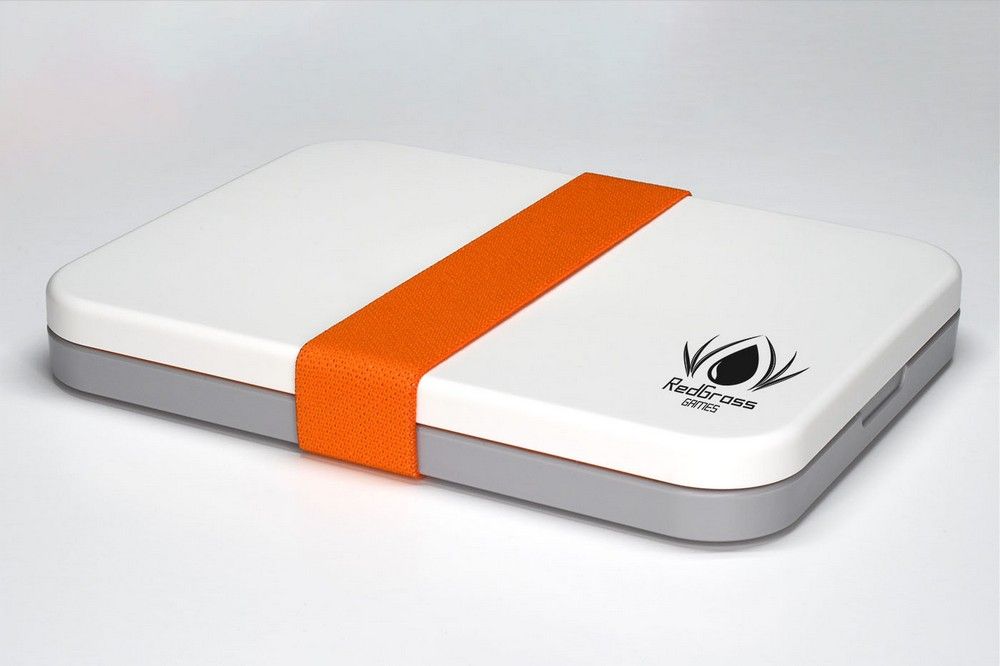
Sealed wet palette, 182x132mm work area, tray with lid
Green Stuff World
Wet palettes and mediums
A wet palette is the single best upgrade for keeping paint at the right consistency.
We earn a small commission from qualifying purchases at no extra cost to you.