
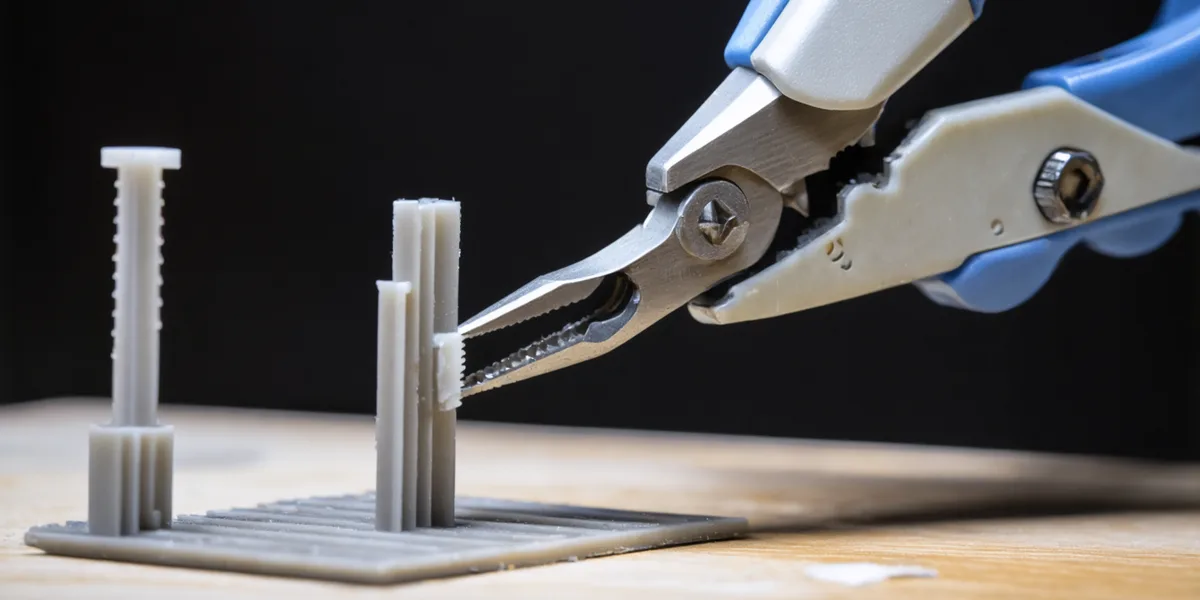
Nippers are the first tool that touches a kit and the one most people think least about. A clean cut leaves nothing to fix; a crushed one leaves a white nub, a stress mark and five minutes of scraping on every part. There is a real quality ladder here, it is genuinely worth a step or two, and it stops being worth it much sooner than the internet suggests. Everything on this page lives on our cutting and prep shelf, priced across the shops we track.
Single-blade vs double-blade: the only spec that matters
Almost every cutter sold in a hardware shop is double-bevel (or double-edged): both jaws are ground to a wedge, and they meet in the middle. They do not slice the plastic so much as squeeze it until it parts. That is why a cheap pair leaves a pale, stressed nub standing proud of the part - the plastic has been compressed and torn, not cut.
A single-bevel (single-edged, "flush") cutter grinds only one jaw. The other is a flat anvil. Put the flat side against the part, and the blade shears down against it, leaving a cut face that is flat and level with the surface instead of a stump you then have to remove. That is the whole trick, and it is the difference you are paying for when you climb this ladder.
Two consequences follow from it, and both catch people out:
- A single-bevel blade is fragile. It is thin, hard and ground to a very fine edge. It is for soft polystyrene sprue and nothing else. Brass rod, guitar wire, staples, resin support rafts and metal miniatures will chip it, and a chipped nipper is scrap.
- Orientation is now part of the technique. A double-bevel pair cuts the same either way up. A single-bevel pair only does its job with the flat face against the part - reversed, it is worse than a cheap cutter, because it wedges the offcut.
The flush cutters on our shelf sit in the middle of that ladder: the Vallejo Flush Sprue Cutter, the Green Stuff World Ultra Flat Cutting Nipper and its flat-jaw sibling, and the Monument Hobbies Flush Cut Clippers. None is a hardware-shop wedge, and all of them leave a flatter face than the clippers in a starter set.
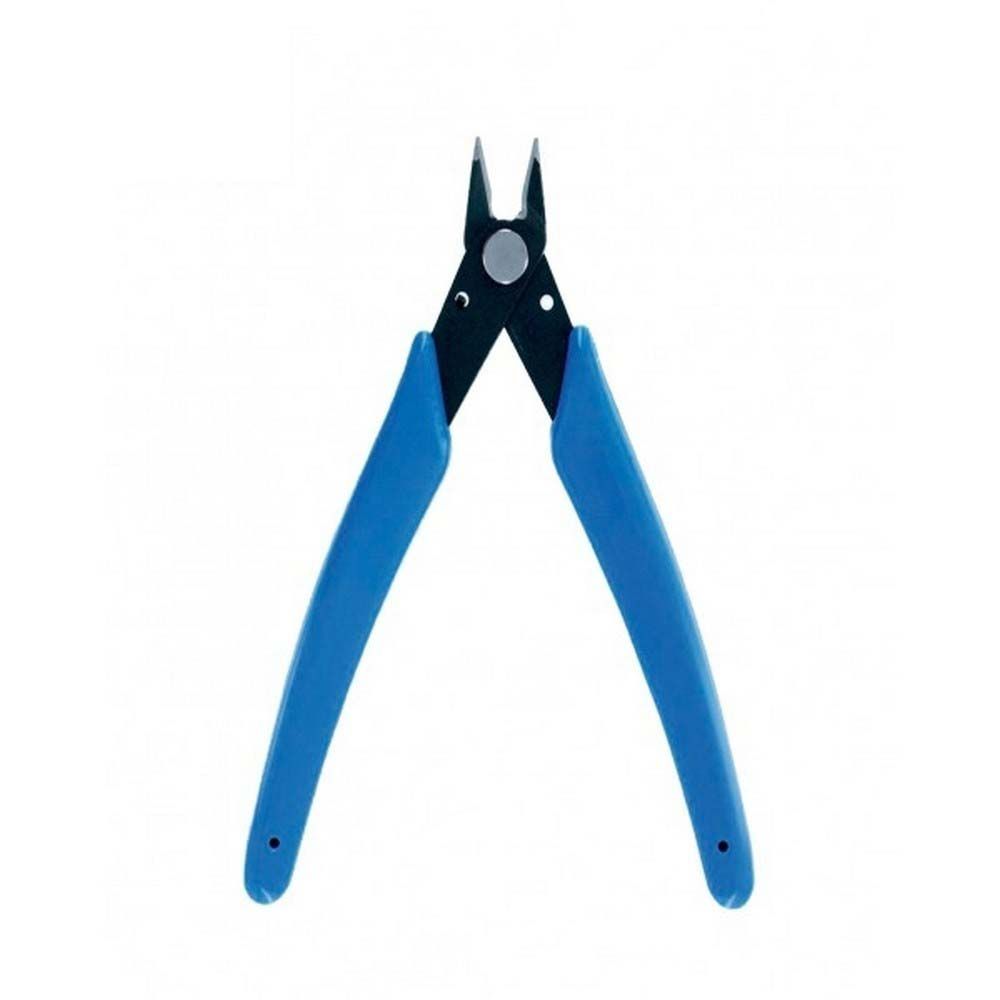
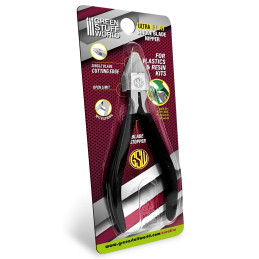
Ultra-flush nipper for a near-invisible sprue cut
Green Stuff World
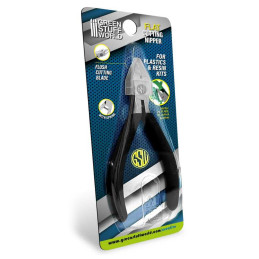
Flat-jaw nipper for cutting parts from sprue
Green Stuff World
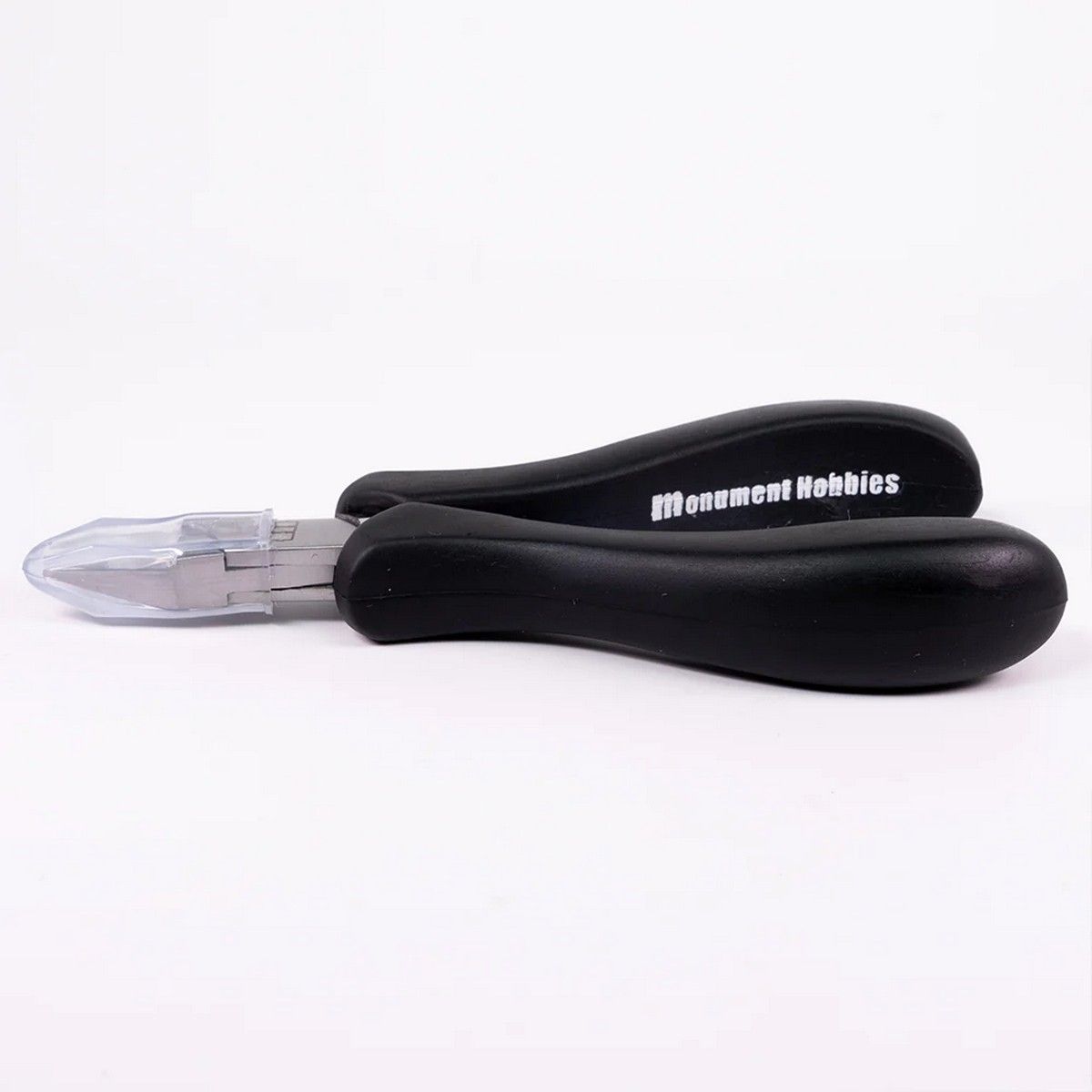
Flush-cut clippers for removing parts from sprue
Monument Hobbies
About GodHand - honestly
GodHand is a small Japanese toolmaker whose SPN-120 "Ultimate Nipper" is the most-searched hobby tool on the internet, and the reputation is earned rather than hype. It is single-bevel, it is ground finer than anything else on the market, the blade is thin enough to be visibly translucent at the edge, and on soft grey styrene it cuts so cleanly that the cut face often needs no cleanup at all. Painters who assemble a lot of Gunpla or a lot of infantry find it saves real time.
We do not stock it, and no shop we track lists it. It is a maker-direct and specialist-importer product in the UK, and we are not going to point you at a marketplace listing we cannot verify - the counterfeits are a known problem, and a fake at nearly full price behaves like a cheap wedge cutter. So take the rest of this page as the honest question instead: what does that tool actually buy, and what gets you most of the way there from a shop we can price?
The answer is Tamiya, and it has been for thirty years. Tamiya's cutters are the reference point the Japanese single-bevel makers were improving on, they are widely stocked, and we hold the range deep:
- Tamiya Sharp Pointed Side Cutter Pliers - the classic answer, and the one to buy. Fine, sharply pointed tips that reach into a crowded frame and get close to the part, which is most of what the expensive nippers give you. If you buy one cutter for miniatures, buy this.
- Tamiya Side Cutter Pliers for Plastic and the Modeller's Side Cutter - the general-purpose pairs. Blunter noses, tougher, happy on thick gates.
- Tamiya Plastic / Soft Metal Side Cutter - the pair to reach for when there is white metal or a brass pin involved, so your good nippers never meet it.
- Tamiya Long Nose Cutter - for reaching into a part-built assembly, which is where most snapped blades happen.
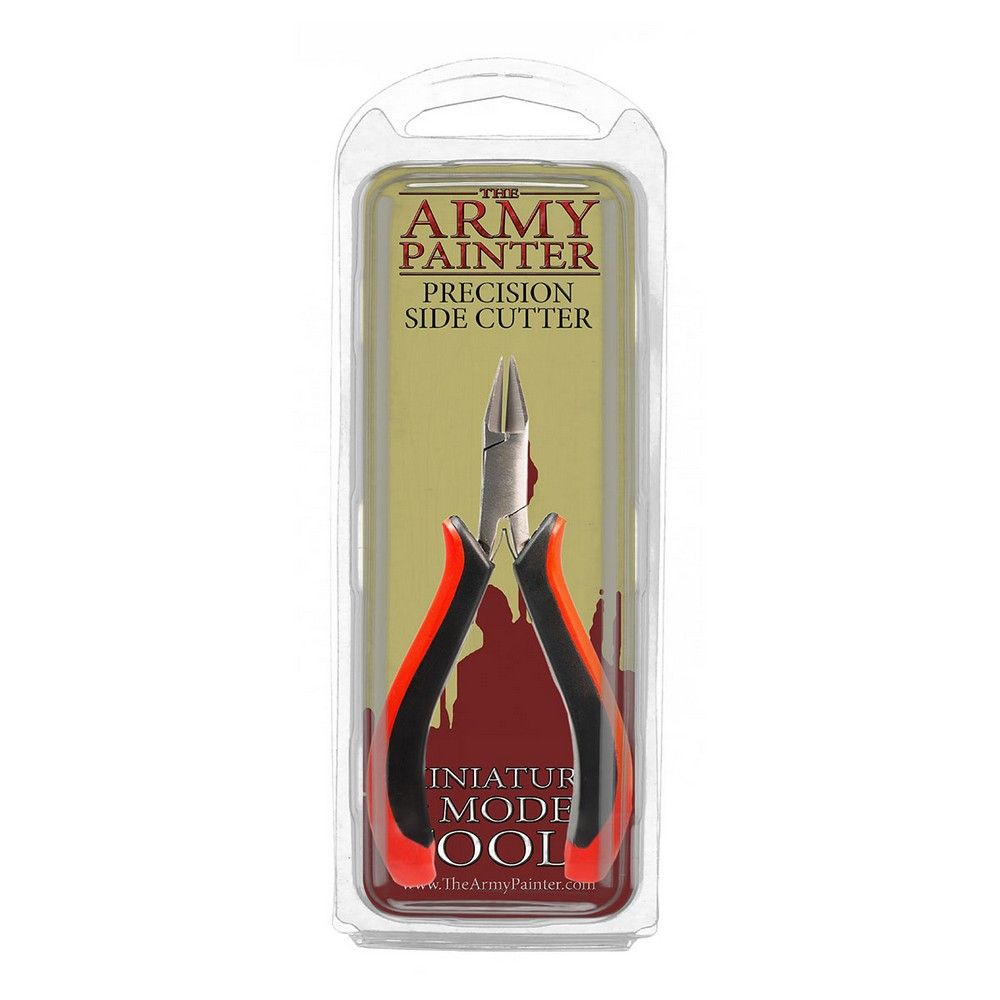
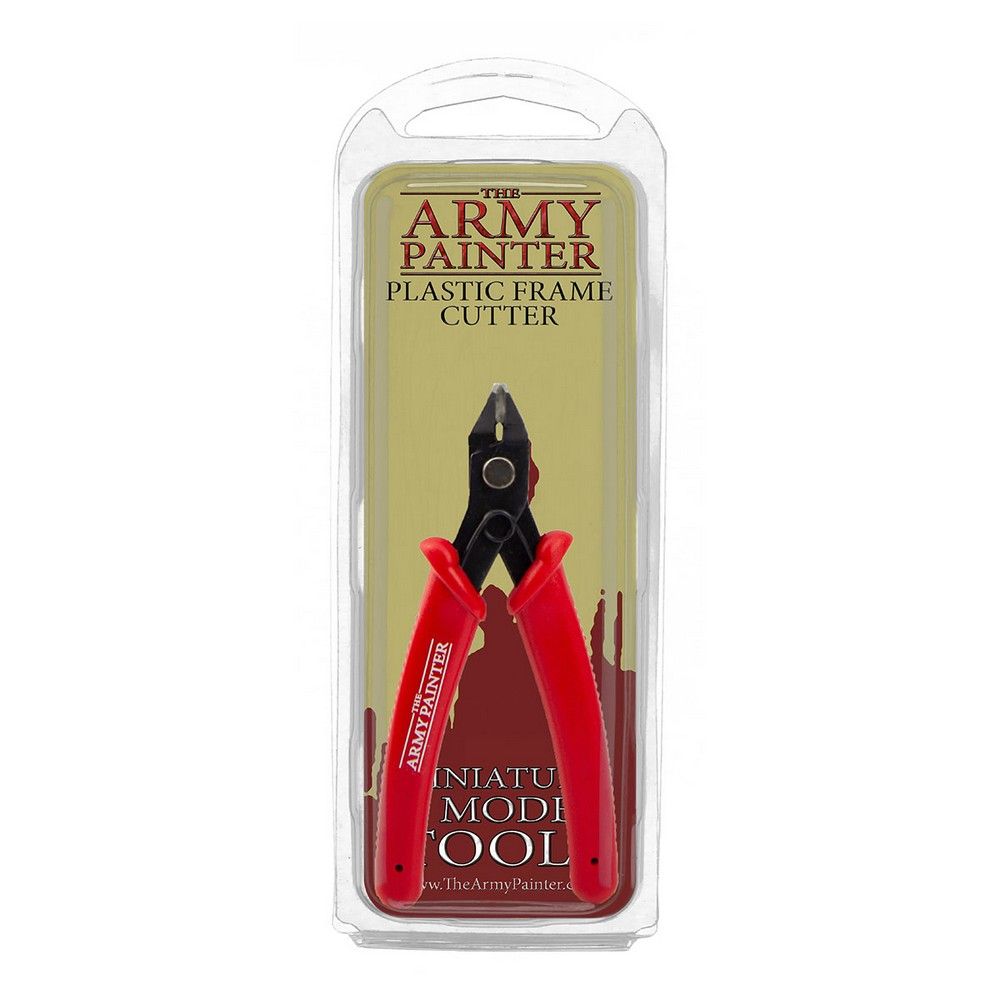
The other side cutters we carry cover the rest of the ladder: Citadel's Super Fine Detail Cutters, the Army Painter Precision Side Cutter and Plastic Frame Cutter, and the AK Interactive Side Cutter. Every one of them is priced live on the shelf, because which is cheapest this week moves.
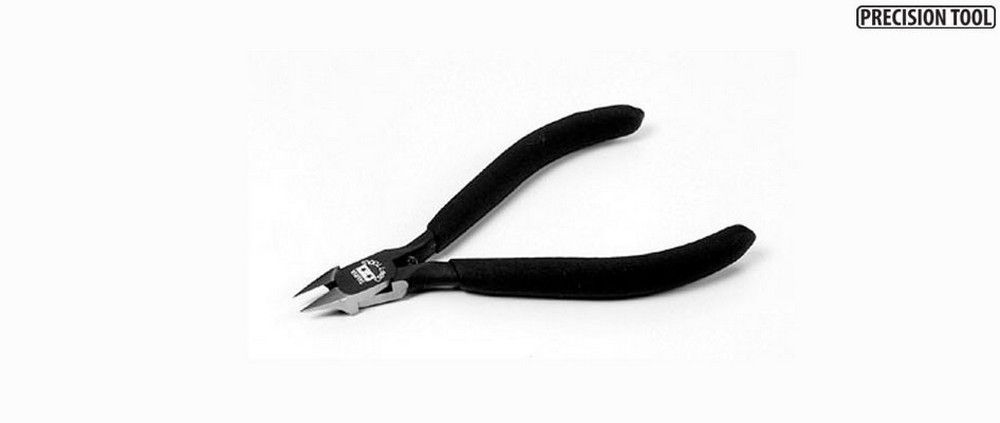

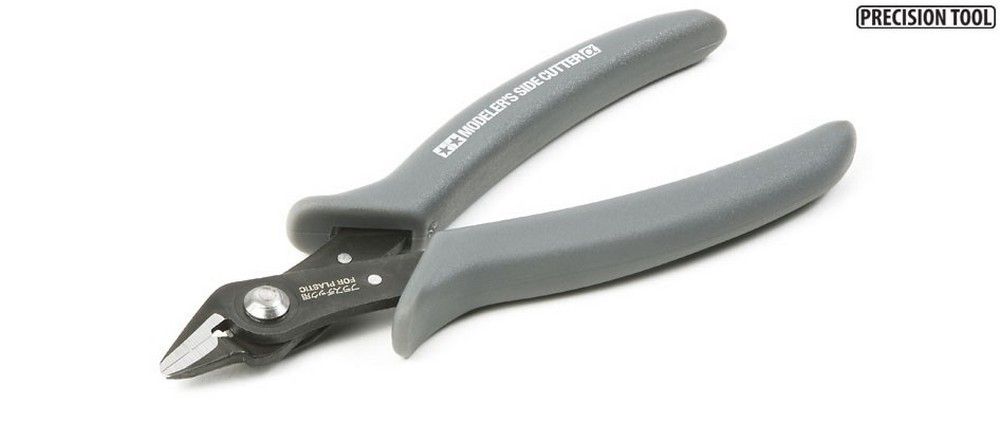
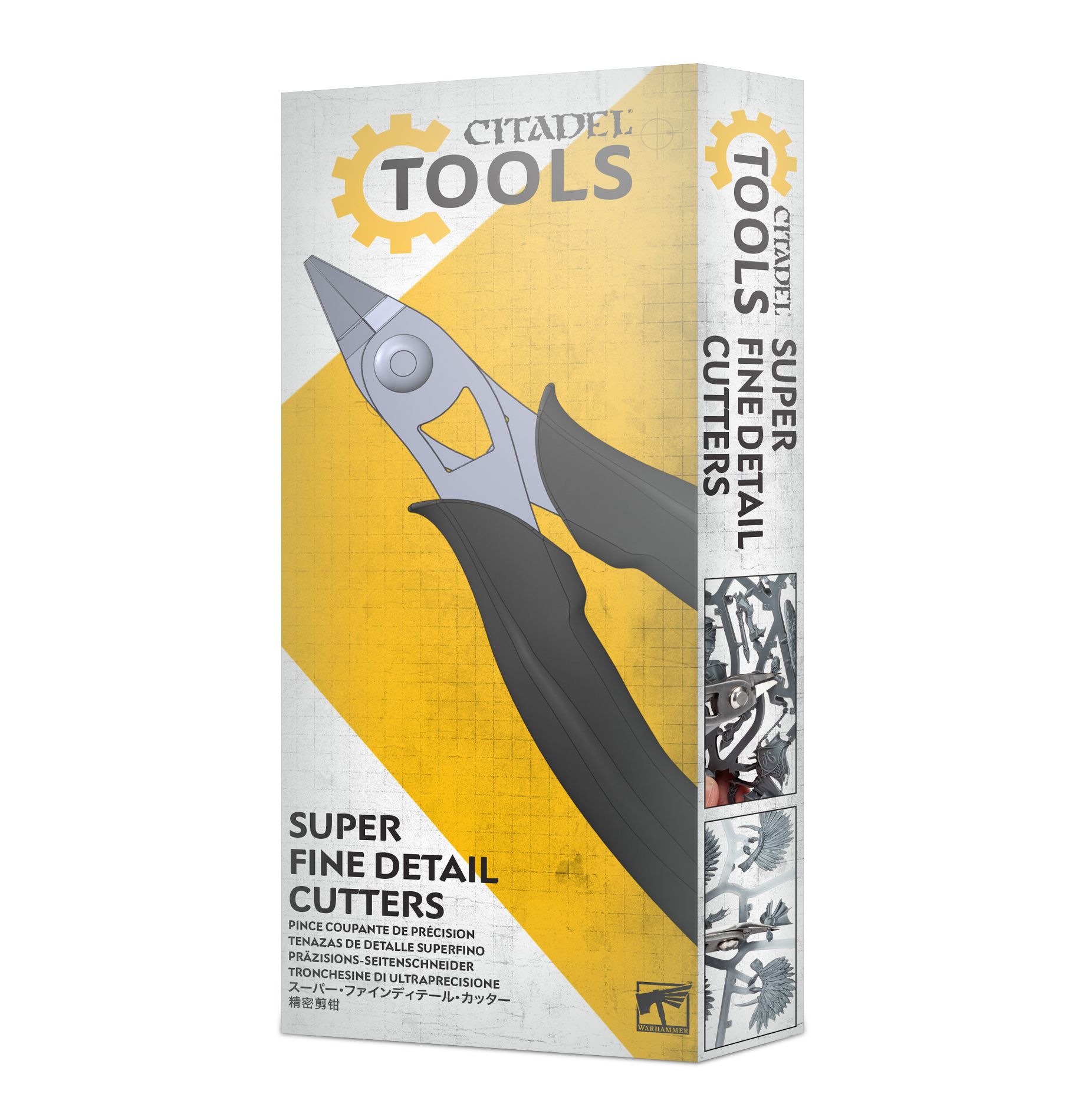
Fine sprue cutters for plastic kits
Citadel
Cut it twice
Technique closes most of the gap between a cheap cutter and an expensive one, and almost nobody is taught it.
Never cut flush to the part on the first pass. Cut the gate a millimetre or two out, in open air, and take the part off the frame with the plastic to spare. Cutting hard against the surface loads the part sideways, and that is how thin barrels, spear shafts and aerials snap - and how you get the pale stress-whitened crescent around the gate that no amount of sanding removes, because it is damage under the surface rather than on it.
Then take the stub off with a second, gentle cut, flat side of the jaw against the part, letting the blade do the work rather than the squeeze. On a good cutter that second pass is the finish. On a cheap one you will have a small nub left, and that is fine - a couple of strokes with a blade or a sanding stick sorts it.
Three more habits worth having:
- Cut with the tips, not the throat. The jaws are strongest at the pivot but least accurate there.
- Rotate the part, not the tool. If the gate is awkward, turn the sprue over rather than cutting at an angle.
- Keep a second, cheap pair for wire, pins, magnets and anything not styrene. This single habit is what makes good nippers last years.
Mould lines: the unglamorous half
A mould line is the seam where the two halves of the steel tool met. It is invisible on bare grey plastic under bench light and blindingly obvious once primer and a highlight go over it, which is why it is the commonest thing separating a decent paint job from a good one. Run a fingernail over the surface - you will feel it before you see it.
Three ways to remove one, in order of how often they are the right answer:
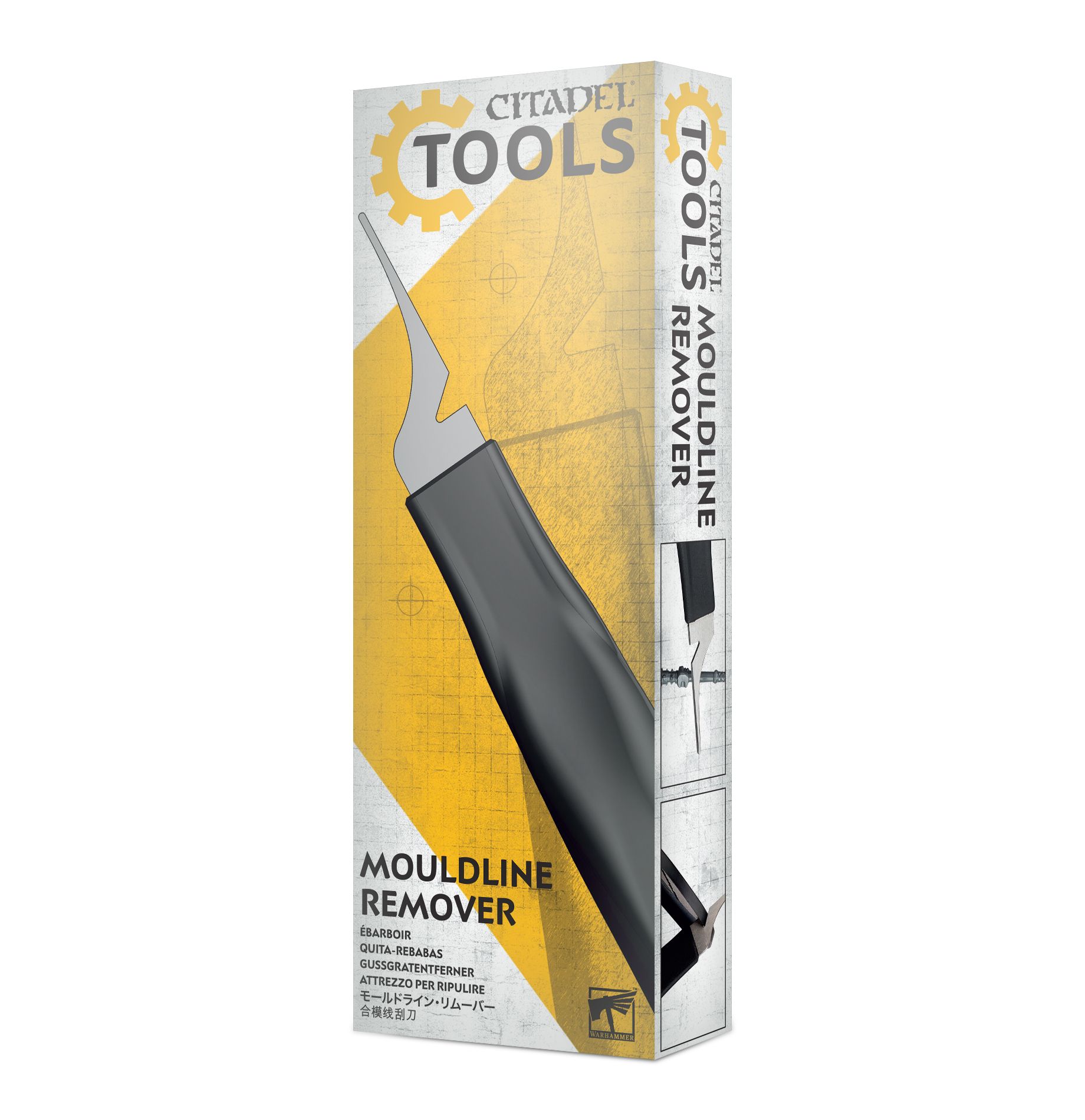
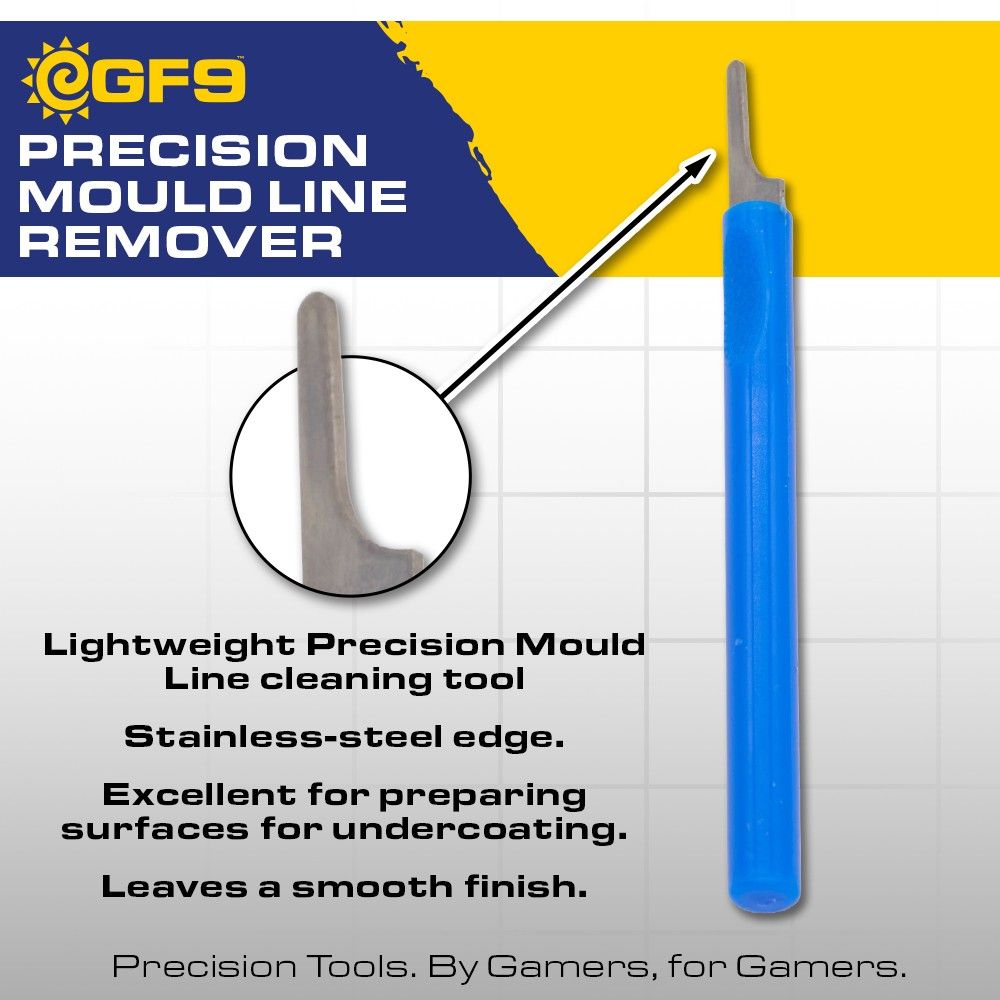
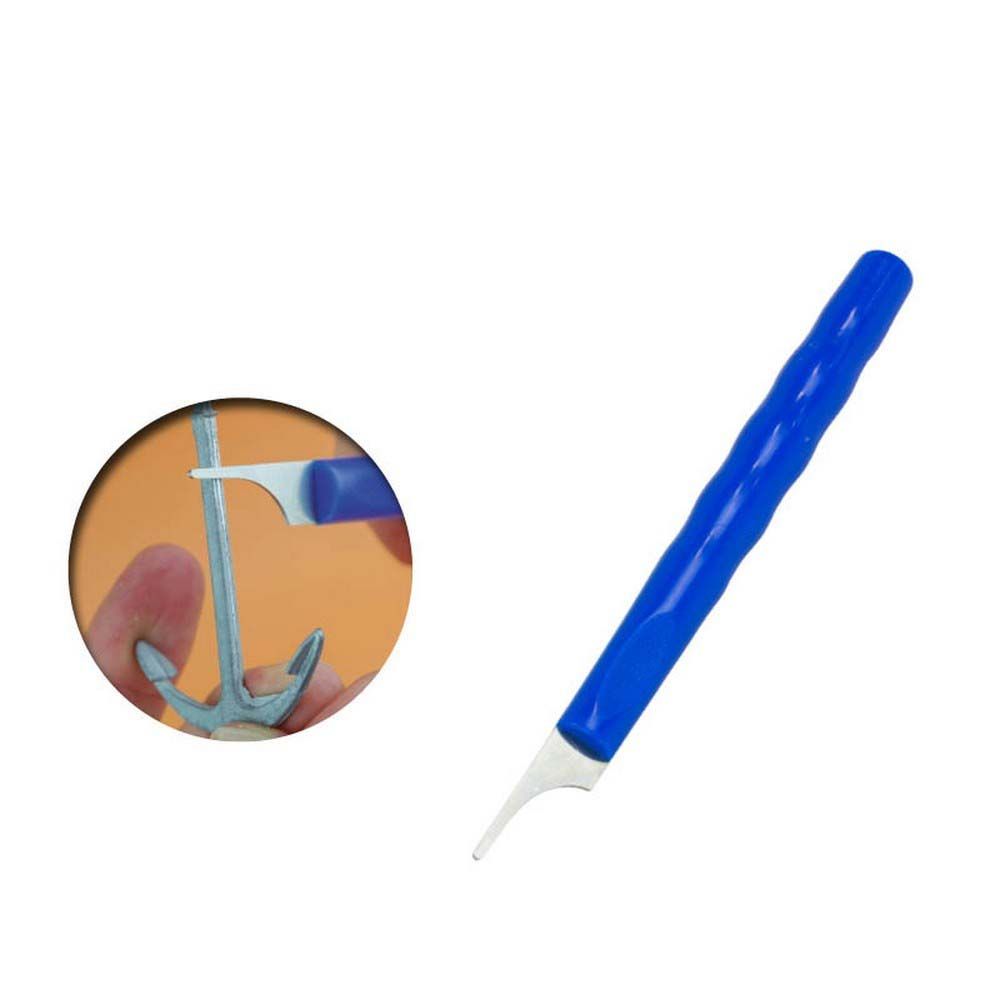
- A scraper. A proper mould line remover is a blunt, hooked blade that you drag along the seam, shaving the ridge without cutting into the surface. It is the safest tool on curved surfaces and the fastest on long ones - a whole cloak in one pass. The Citadel Mouldline Remover, Gale Force Nine Precision Mould Line Remover, Vallejo Mould Line Remover and Monument Mould Line / Seam Scraper all do the same job with different handles; pick on grip.
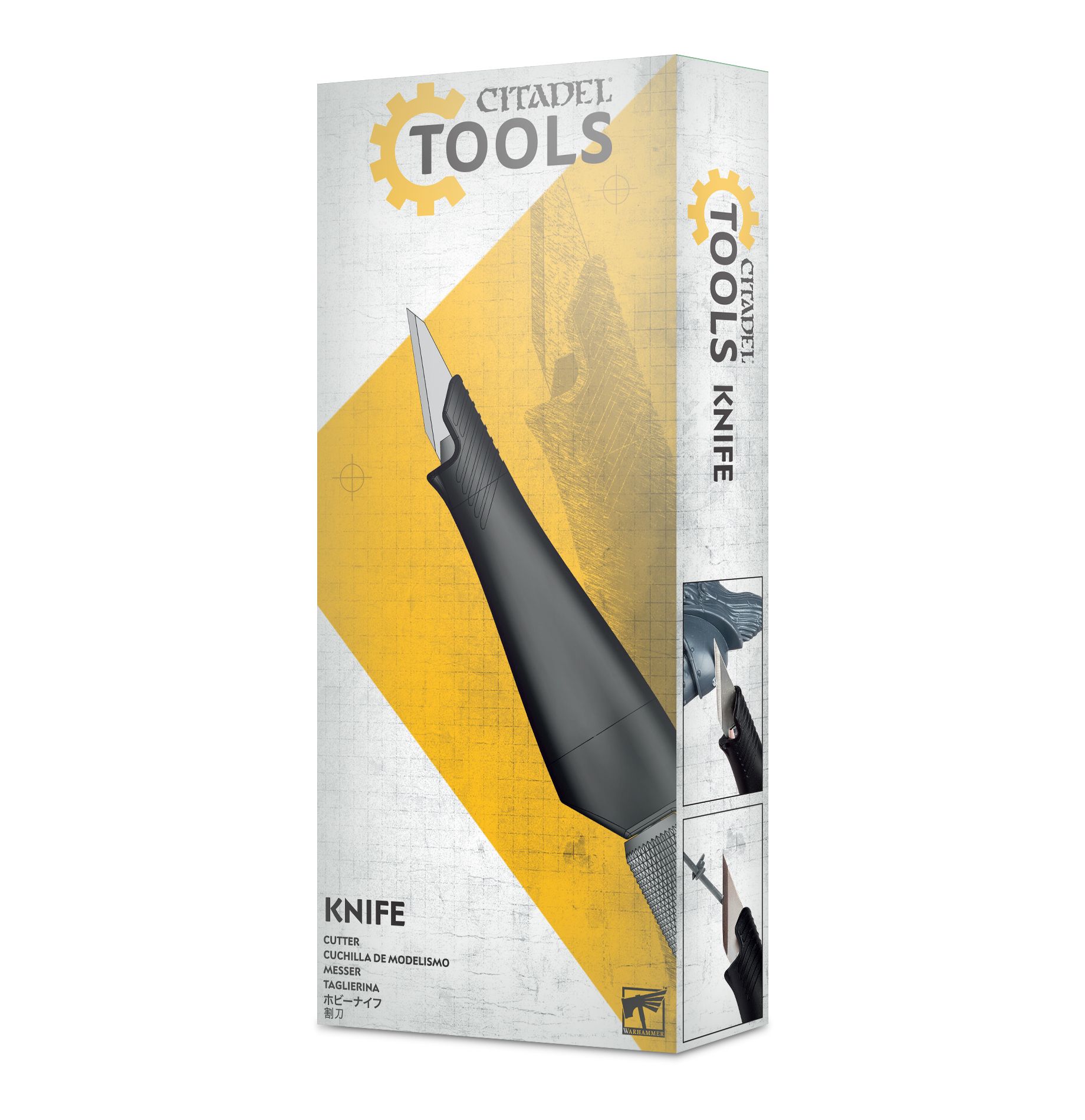
- The back edge of a hobby knife. Free, and what most experienced painters actually use. Hold the blade perpendicular and drag it backwards along the seam so the dull spine scrapes rather than the edge cuts. Turned the wrong way it gouges, so if you are unsure, buy the scraper. Knives on our shelf run from the Citadel Tools Knife and AK Hobby Knife through to the fine-tipped GF9 Precision Micro Knife and the Vallejo Classic Craft Knife No. 1.
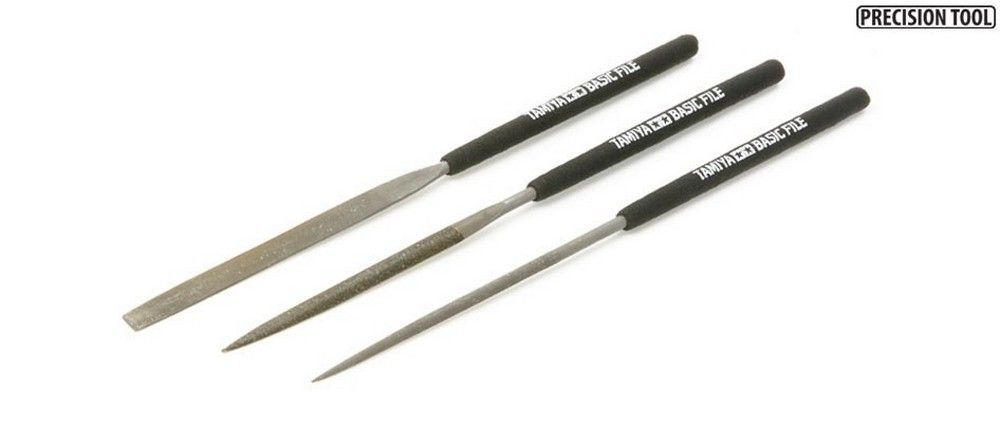
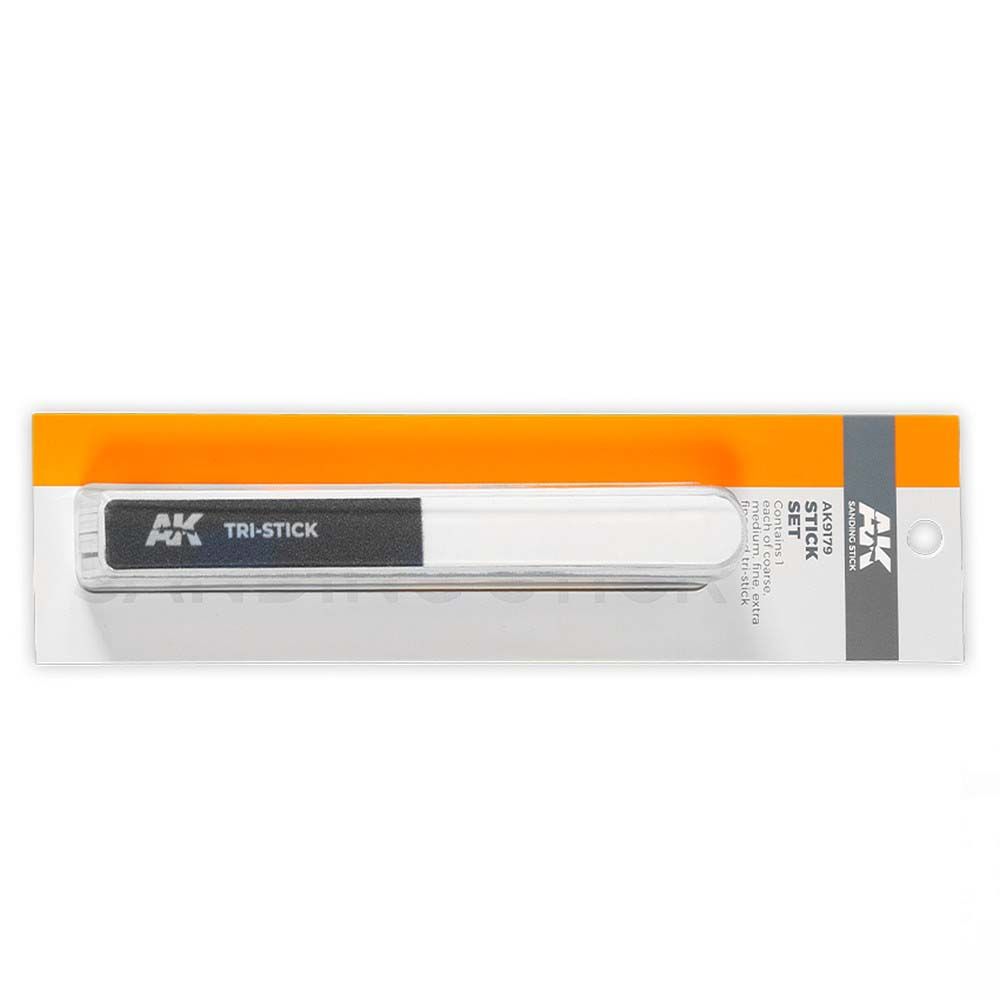
- Files and sanding sticks. For flat panels, vehicle plates, and anywhere a scraper would leave facets. Needle files bite fast - the Tamiya Basic File Set, the Army Painter Miniature and Model Files, GF9 Precision Diamond Files and the Vallejo Diamond Needle File Set. Sanding sticks are gentler and better on detail: AK's range covers coarse, medium, fine and extra fine individually, a triangular-section stick for inside corners, and a set of the grades together if you would rather start with all of them.
For the last pass, go finer than feels necessary. A seam scraped smooth still shows scratch marks under a gloss varnish; a sponge sanding set or a sheet of 1000-grit wet paper takes them out in seconds. Wet-sanding also stops the dust, which matters if you are working over painted models.
Scraper for removing mould lines
Gale Force Nine
When cheap cutters are fine
Genuinely, often. The premium nipper is a time purchase, not a quality one: it saves seconds per part, and seconds per part only add up if you clip hundreds of parts. Build a kit a month and a cheap pair, a sharp blade and a mould line scraper will get you an identical finished model.
Buy the better cutter if you are assembling a whole army, if you build a lot of hard styrene or Gunpla, or if you have found that cleanup is what stops you finishing models. Otherwise put the money into paint, and buy a scraper you will actually use.
Tips
- Two cuts, always - a millimetre out first, flush second. This alone saves more parts than any tool.
- Flat side of the jaw against the part, or a single-bevel cutter is worse than a cheap one.
- Styrene only for your good nippers. Keep a beater pair for wire and metal.
- Check for mould lines before you prime, not after - primer hides them and highlights reveal them.
- Don't chase GodHand secondhand. The counterfeits are convincing and cost nearly full price.
Shop cutters and prep tools
Cutters, knives, mould line removers and sanding sticks are all priced side by side on our cutting and prep shelf.
We earn a small commission from qualifying purchases at no extra cost to you.