
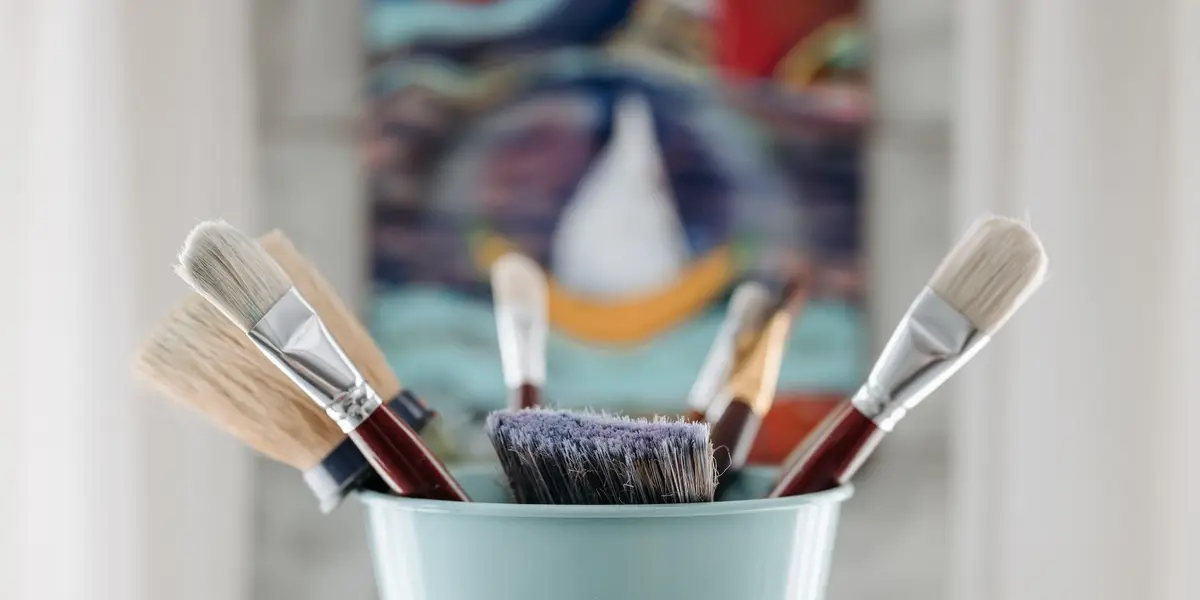
A good brush does more for your painting than almost any other purchase. You do not need many - two or three good brushes beat a tub of cheap ones - but the right brush, well cared for, transforms how paint behaves. This is what to buy, in what order, and the traps to avoid on the way.
Synthetic vs Kolinsky sable
- Synthetic - cheap, durable, and fine for basecoating, drybrushing and rough work. Modern synthetics are genuinely good, and they are the sensible thing to hand to a beginner: they cost little, they survive abuse, and nothing about them will hold your painting back for the first few months.
- Kolinsky sable - natural hair that holds far more paint and snaps back to a razor point, giving you longer strokes and finer control. The choice for detail and fine highlighting. Rosemary & Co Series 33, Winsor & Newton Series 7 and Artis Opus Series S are the community favourites - our kolinsky guide explains what the hair actually buys you.
- Rotmarder and sable blends - the middle tier most hobby brands sell (the Army Painter Wargamer line, for instance). Better paint capacity than plain synthetic, none of the price of true kolinsky, and a shorter working life than either.
The honest summary: sable buys you paint capacity and point recovery, not accuracy. A synthetic can put paint in a small place too. What it cannot do is hold enough thinned paint to draw a whole edge highlight in one stroke, or spring back into a point after every stroke for a year.
Every range we track has its own page with honest verdicts and current prices in the brush section.
The three brushes you actually need
You can paint almost everything with three:
- A size 1 or 2 for basecoating and general work.
- A size 0 or 1 detail brush for fine lines and edge highlighting.
- A cheap old brush dedicated to drybrushing and metallics, which destroy good brushes.
Bigger is often better than smaller - a size 1 sable holds a fine point and enough paint to actually work, where a tiny 5/0 dries out mid-stroke. The classic beginner mistake is buying the smallest brush in the shop for eyes and finding it holds three seconds of paint.
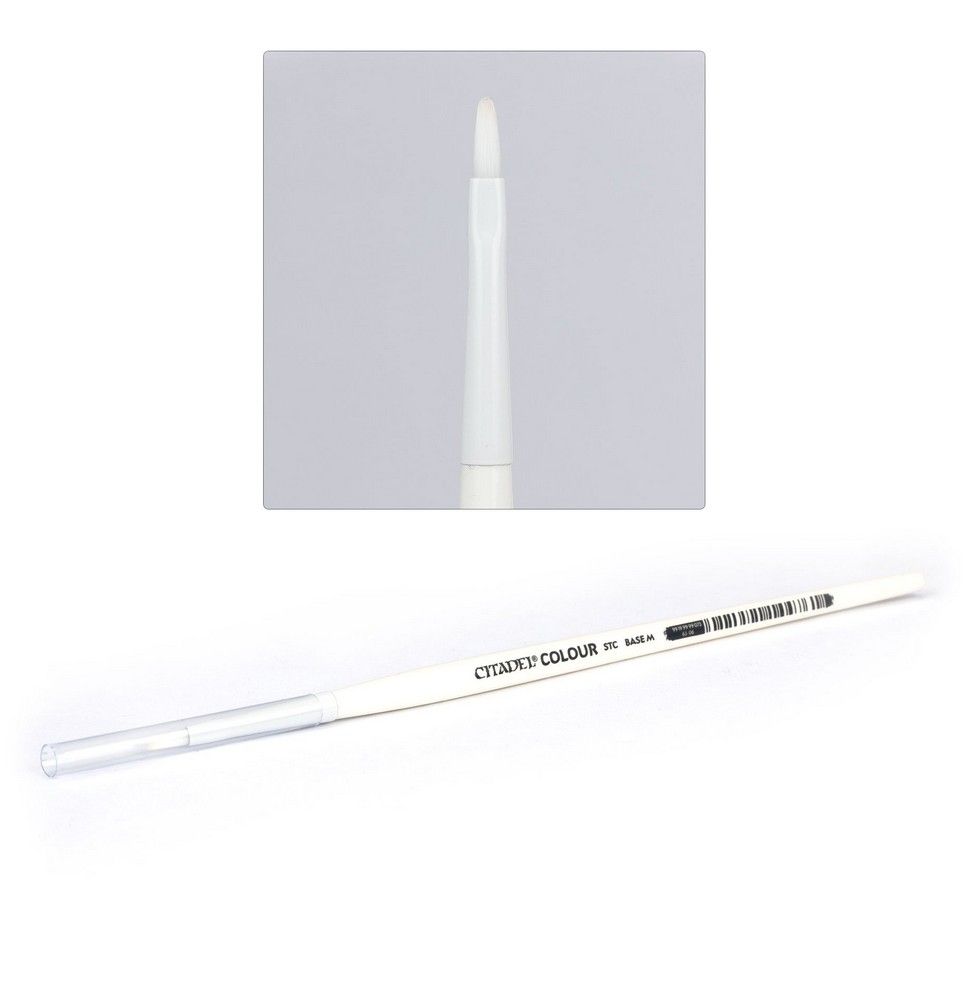
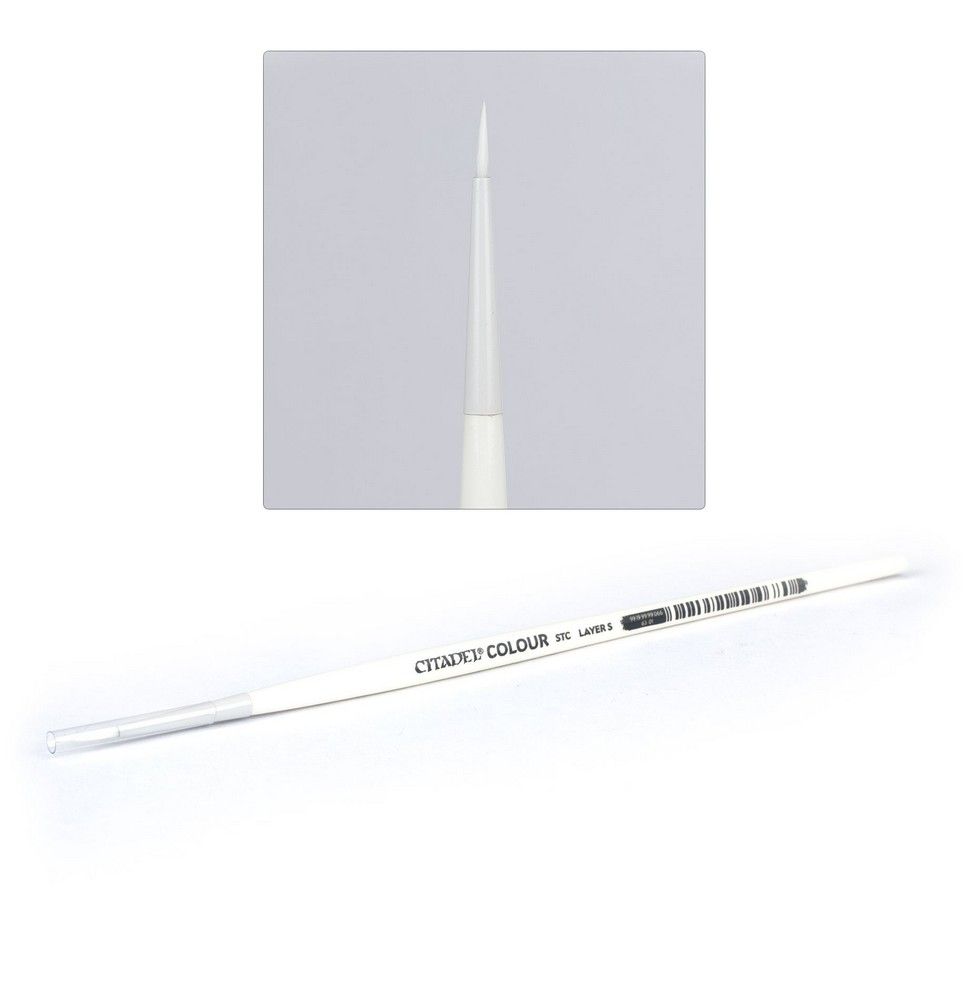
Sizes do not map across brands. A Raphael 8404 runs a touch larger than a Winsor & Newton of the same number - an 8404 size 0 sits close to a Series 7 size 1 - and Games Workshop label theirs by job and letter (S Layer, M Base, L Dry) rather than numbering them at all. The Citadel brush page carries a conversion table if you are trying to replace one with something cheaper.
Drybrushes are a separate purchase
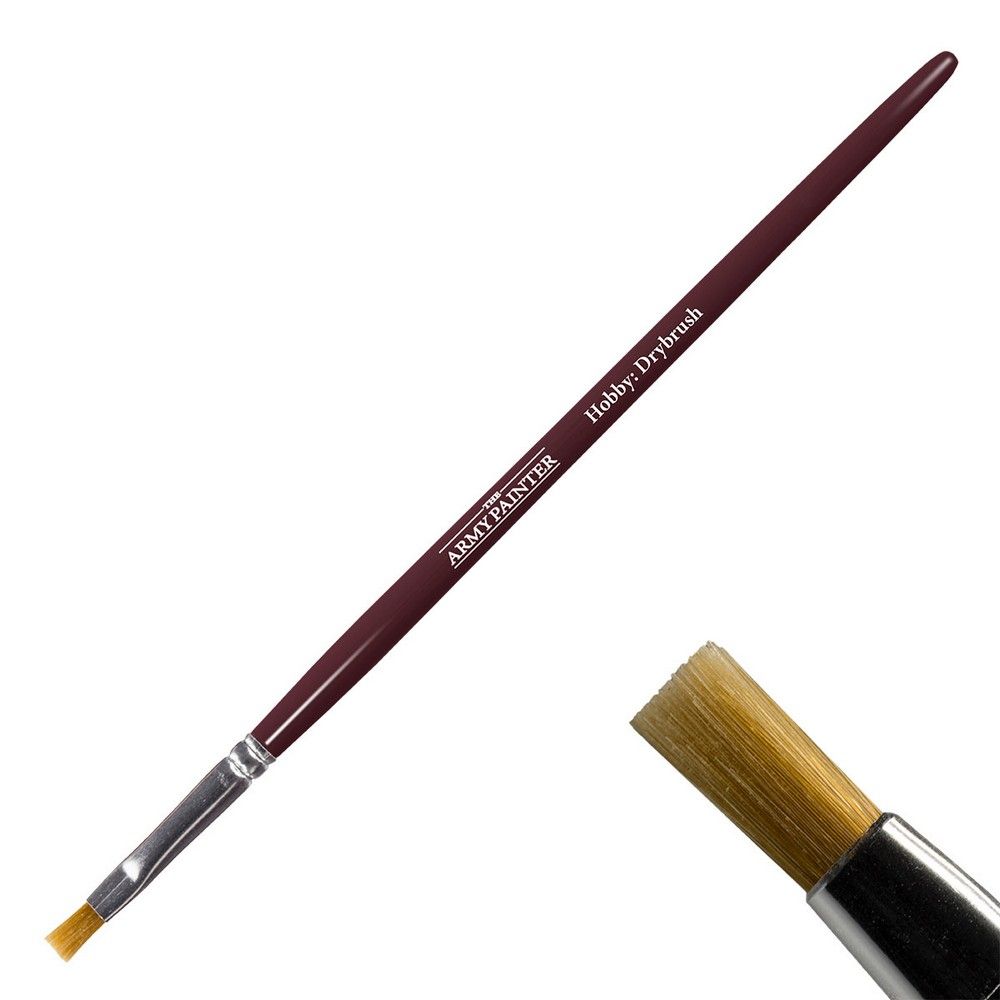
Drybrushing stopped being a shortcut for rocks and became a whole method - slapchop, damp drybrushing, zenithal-and-glaze - and none of it works properly with a worn-out round brush. A real drybrush is short, dense and domed, so it releases pigment evenly instead of dumping it in one streak.
- Artis Opus Series D is the set that started the modern movement, and it remains the one range here with no real substitute. The dampening pad it ships with is part of the method, not packaging.
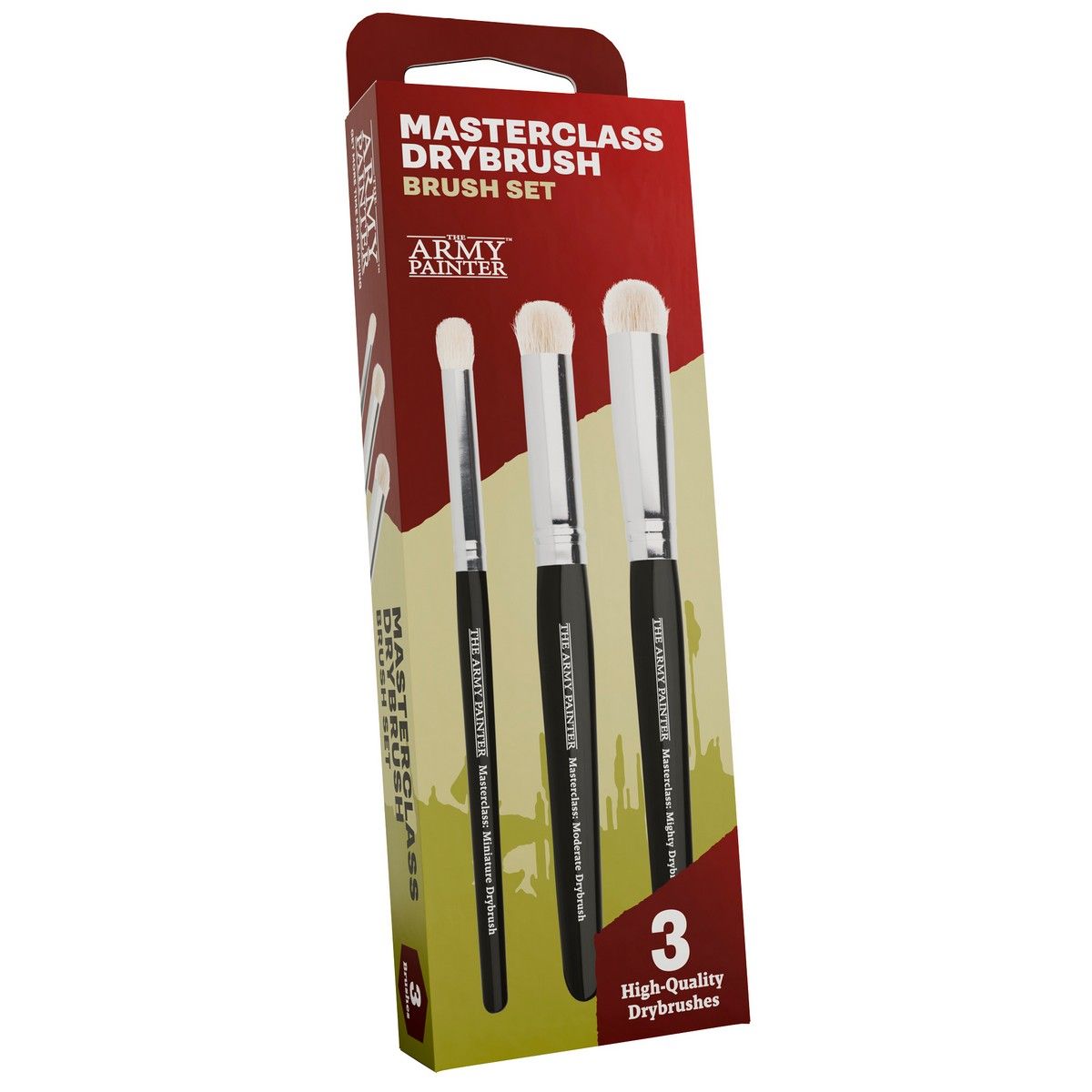
- The Army Painter Masterclass drybrush set does the same job for a fraction of the outlay, and is the best-value route into drybrushing and slapchop - see the Army Painter brush page.
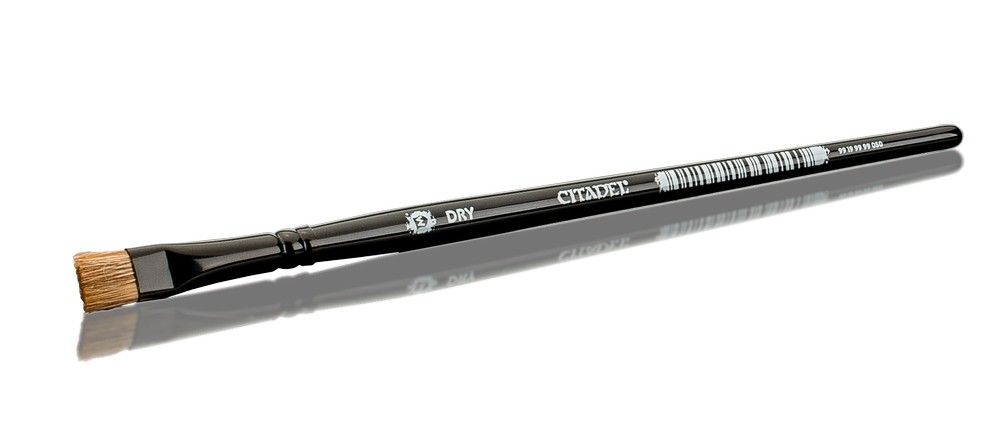
- If you already buy Citadel, their Dry brushes are the sleeper pick of that range: a proper domed drybrush most painters never think to look for.

What to buy, at every budget
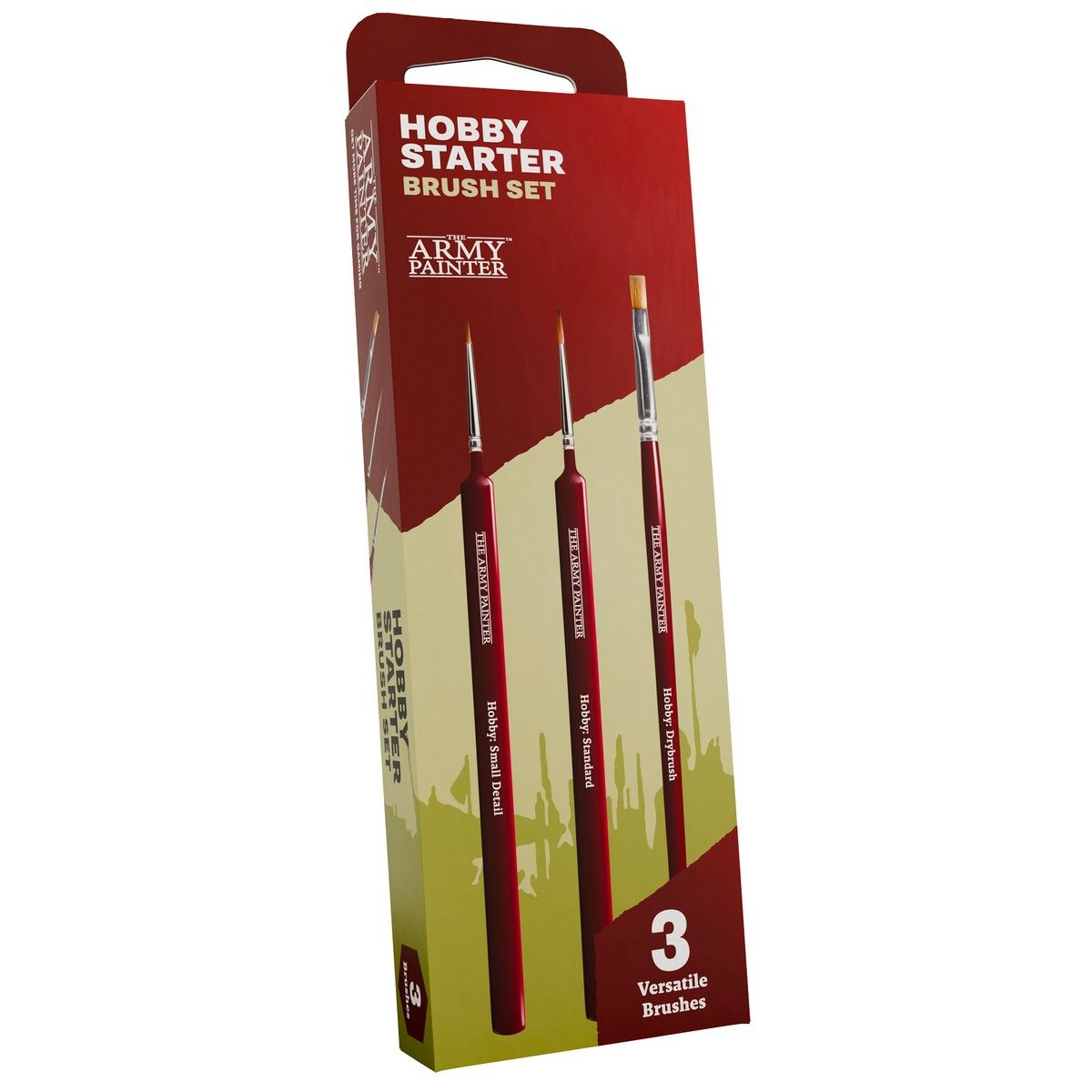
Starting out. A synthetic starter trio - standard, small detail, drybrush - and nothing else. Spend the difference on paint. You will ruin your first brushes learning to clean them, and it is better to ruin cheap ones.
Your first upgrade. One kolinsky round, size 1, and keep the synthetics for basecoating and metallics. This single purchase is the biggest jump in the whole list. Rosemary & Co is the value answer - a Yorkshire maker whose Series 33 gives up very little to the famous names at a much lower price, and whose stock mostly ships from the maker or established art shops, so the counterfeit problem barely touches it.
The reference brushes. Winsor & Newton Series 7 and the Raphael 8404 are the two classics, and choosing between them is taste rather than quality: the 8404 carries more paint, the Series 7 point is marginally finer. Da Vinci's Maestro line is the third, quieter member of that club - and their micro sizes go finer than anything the other two make.
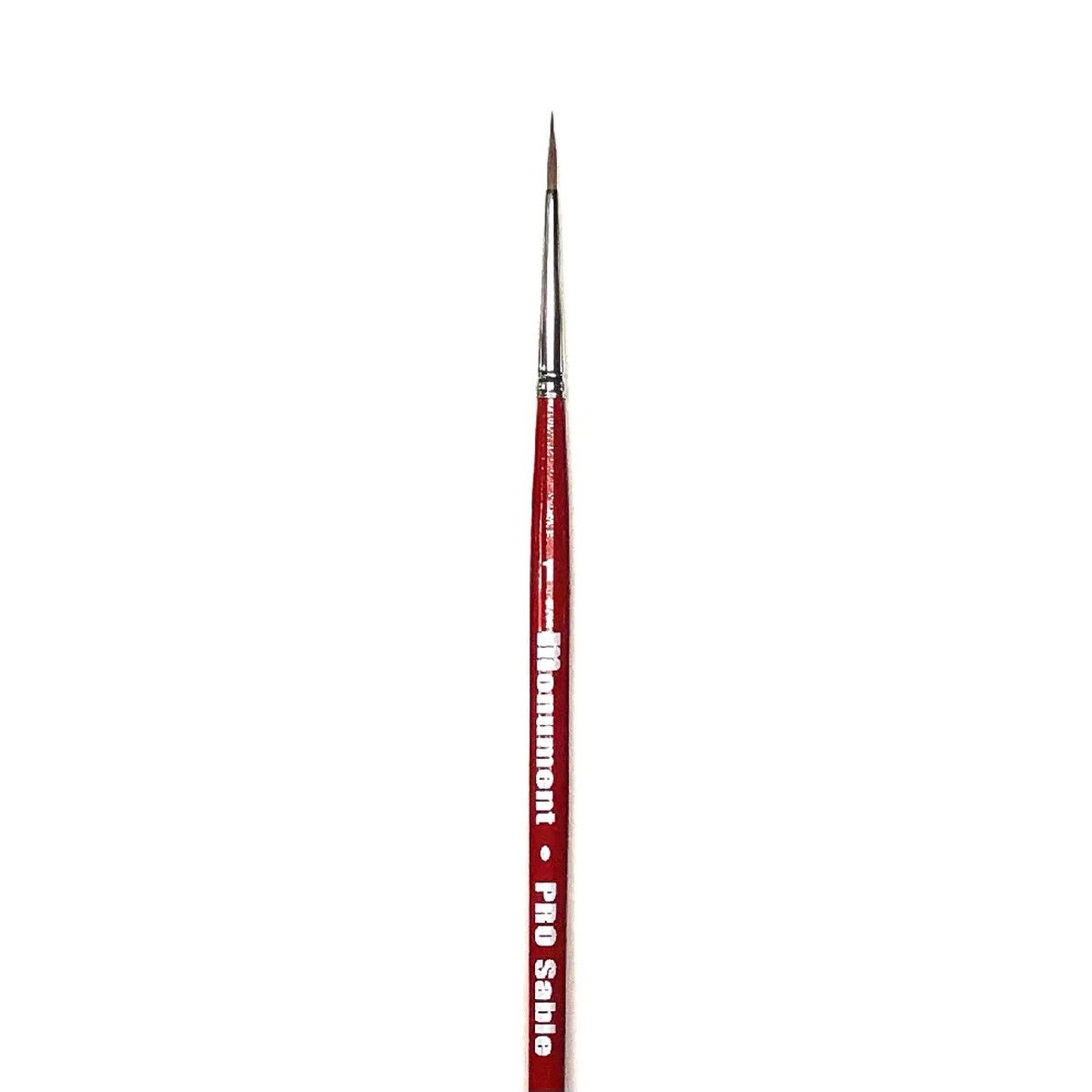
The premium boxes. Artis Opus sets arrive in presentation boxes with brush soap included. Buy Series D for what it does; buy Series S for the experience, because on the rounds you are paying for the box and the branding as much as the hair. Monument Hobbies Pro brushes are the painter-designed US line behind Pro Acryl, less discussed here only because they are harder to get.

Two traps worth knowing
Counterfeits. The famous kolinskys - Series 7 above all, and the 8404 - are faked, and marketplace listings are where the fakes live. Buy from an art retailer, or from a listing sold by the marketplace itself rather than an unknown third party. A fake Series 7 costs nearly as much as the real one and behaves like a cheap synthetic.
The Series 7 "Miniature" line. There are two Series 7 ranges, and the one called Miniature has shorter bristles that hold less paint. Most miniature painters are better served by the standard line, whatever the name suggests.
One more, if you are buying by brand: the Army Painter's cheaper lines have a genuine quality-control reputation - split tips and shed hairs turn up often enough that it is not just bad luck. Their Masterclass range is the exception and is excellent. Treat the rest as disposable workhorses and you will not be disappointed by them.
Look after them
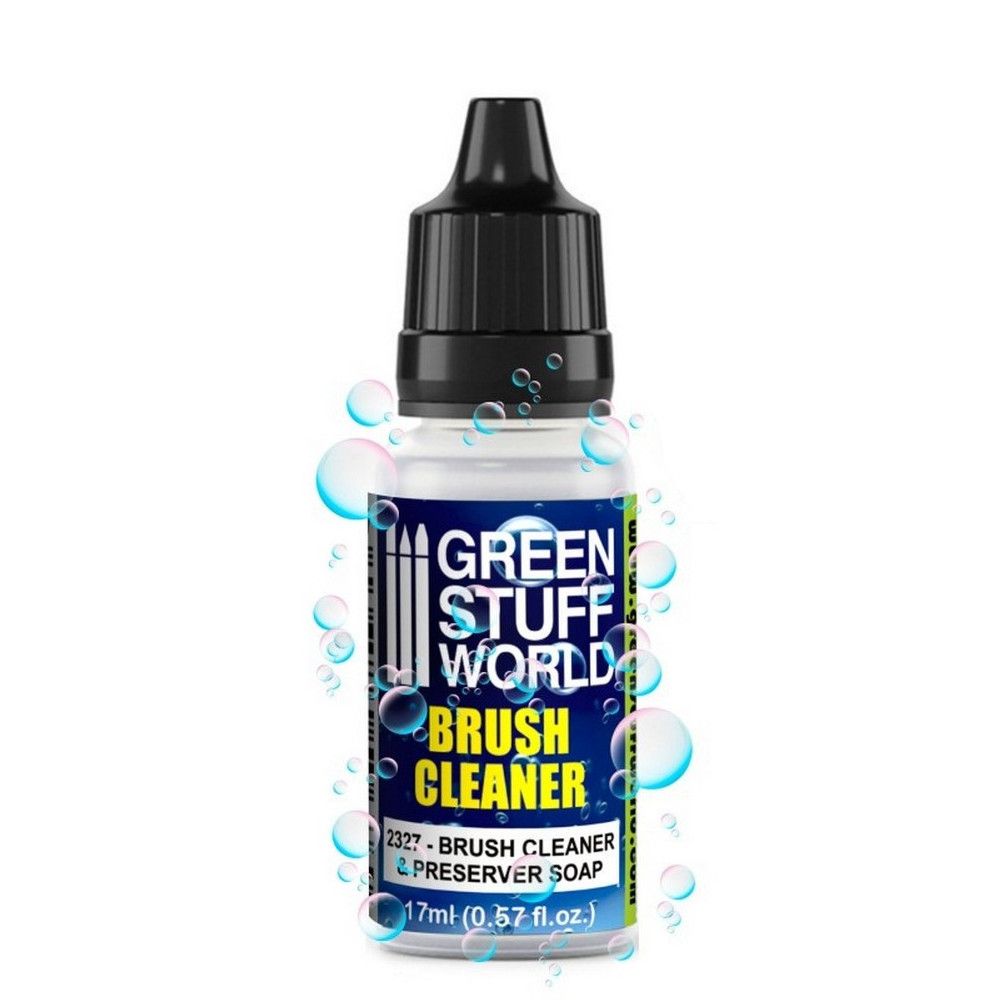
A good sable brush lasts years if you treat it well and dies in weeks if you don't. See our brush care guide - never let paint dry in the ferrule, and use brush soap. Two habits do most of the work: rinse before the paint on the brush starts to tack, and never load past the halfway point of the bristles.

Tips
- Buy one good detail brush before a set of cheap ones.
- Never drybrush or paint metallics with your good brushes - keep a cheap synthetic for that, and a proper domed drybrush for drybrushing.
- A bigger sable holds a finer point than a tiny one - don't go too small.
- Do not translate sizes between brands - check the maker's own numbering, or the conversion table on the brand's page here.
- Buy sable from a real retailer. The saving on a suspiciously cheap Series 7 is the whole brush.
Shop miniature brushes
A single good detail brush is the best upgrade most painters can make.
Rosemary & Co Series 33 Kolinsky Sable (Size 1)
Best price
free UK delivery on brush orders over £40; international postage quoted at checkout, import duties may apply
 Buy at Rosemary & Co
excl. delivery
Winsor & Newton Series 7 Kolinsky Sable (Size 1)
No discounter in Europe
Only the listing below — no European discounter we track sells this.
£21.50 in the UK at Jackson's Art
Buy in the UK at Jackson's ArtPriced in GBP · international delivery and any import duty are on top

Army Painter Masterclass Drybrush Set
Best price
postage per seller
 Buy at eBay
cheapest of 2 European sellers · save €2.00 vs the most expensive · excl. delivery
Army Painter Hobby Starter Brush Set (3 Brushes)
Best price
postage per seller
Buy at eBaycheapest of 2 European sellers · save €2.04 vs the most expensive · excl. delivery
We earn a small commission from qualifying purchases at no extra cost to you.