


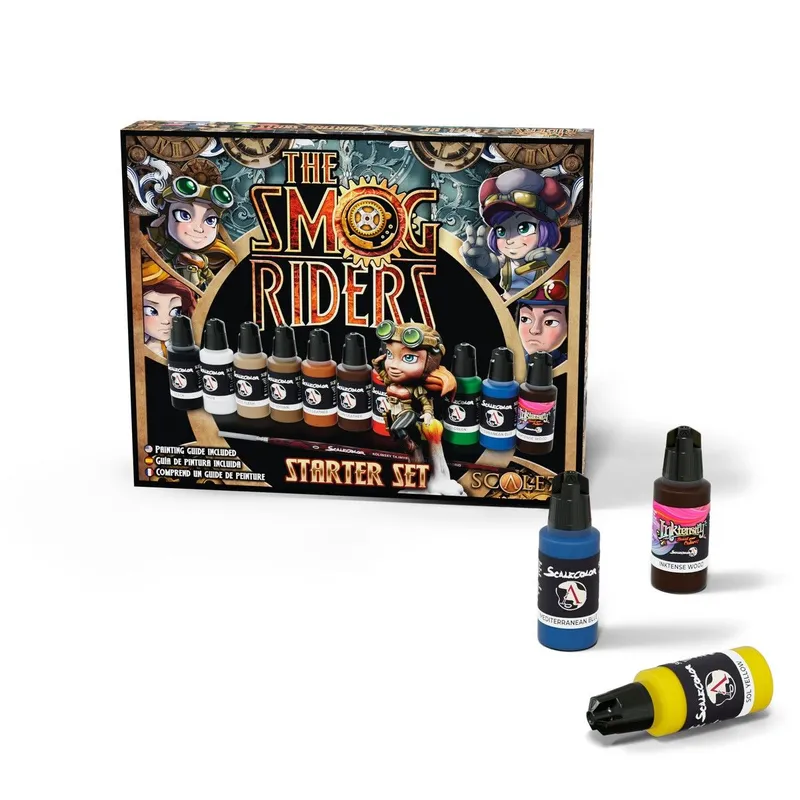
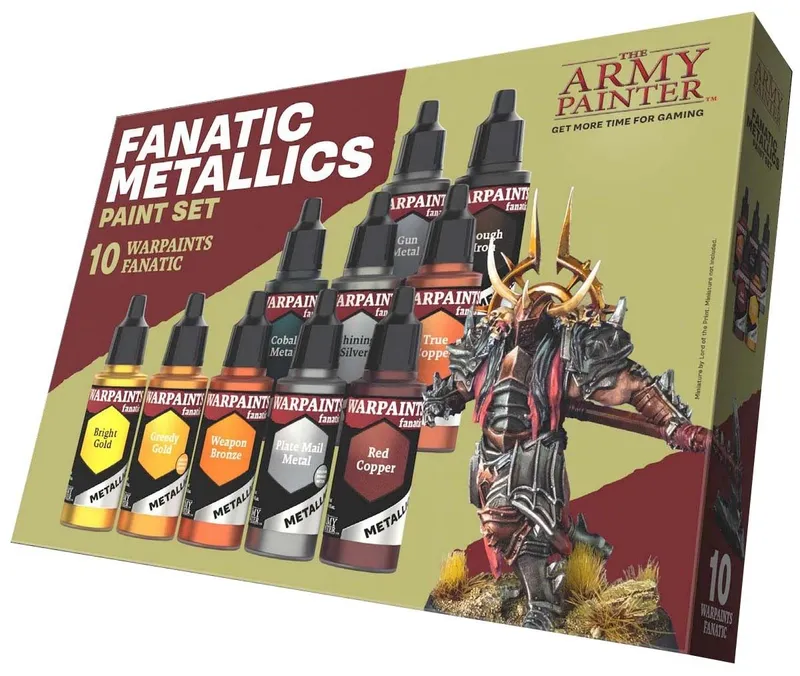
Every decision on a Hungarian figure comes back to one thing: the Royal Hungarian Army fought alongside Germany, was armed in part by Germany, and looked nothing like it. The Honved uniform is a brown-khaki, warm and earthy, where German cloth is a cool grey-green - and because the boxes are full of Panzerschrecks and German-pattern helmets, the pull towards painting them feldgrau is strong. Resist it and you get one of the most distinctive armies on the table for the price of three boxes and a short shopping list.
The signature look
Brown-khaki tunic, breeches and helmet, all the same warm tone, over warm brown leather kit and high boots. The head is where the nation shows: the Bocskai sidecap with its shaped front, worn as often as the helmet. Camouflage is the exception rather than the rule, so a section is essentially two browns and a metal, and the interest comes from varying the cloth rather than from pattern.
The Honved brown-khaki uniform
Undercoat black or dark brown; the base is a warm mid tone that sits happily over either.
- Basecoat Vallejo Model Color English Uniform, two thin coats. It is the closest single bottle to Honved cloth - browner than any Allied khaki and a long way from feldgrau.
- Shade with Agrax Earthshade in the folds, or Army Painter Strong Tone for the same warm result.
- Layer English Uniform back over the raised cloth: the chest, the tops of the shoulders, the front of the thighs and the tops of the boots.
- Highlight with English Uniform mixed two to one with Green Ochre, then a sparing final catch of Dark Sand on shoulders, elbows and knees.
Hungarian cloth was described anywhere from a warm brown-khaki to a distinctly greener shade, and surviving garments bear that out, so variation between models is not a liberty - it is the record. For the greener, later 1943M cloth, cut the base with Khaki and take the highlight through Green Ochre only; for a well-worn tunic, add a drop of Beige Brown and drop the last catch entirely. Doing this across a squad costs nothing and is the single cheapest way to make a small force look real.
Citadel equivalent: XV-88 basecoat, Agrax Earthshade, layer XV-88, highlight Karak Stone. Army Painter Fanatic: Command Khaki with a drop of Oak Brown in the base, shaded Strong Tone, highlighted Tomb King Tan.
Speed route: undercoat Wraithbone, one coat of Citadel Snakebite Leather contrast or Army Painter Speedpaint Hardened Leather, then an edge catch of Dark Sand. Three boxes is the whole range, so at this pace a Hungarian force is an evening's work rather than a campaign.
Helmets, leather and metal
- Helmet: the same English Uniform as the tunic, shaded harder with Nuln Oil and caught only on the rim and crown. This matters more here than for any other nation - the shell is German in shape, and the only thing stopping it reading as German is that it matches a brown tunic instead of a grey-green one. Where a reference shows a greener helmet, use Camouflage Olive Green and keep the tunic brown.
- Bocskai sidecap: uniform khaki with the crown edge caught in Dark Sand, and the national chevron picked out in Off-White and Carmine Red if you want the one spot of colour in the army.
- Belt, Y-straps, pouches and pack: Flat Earth basecoat, Agrax Earthshade, highlight Beige Brown. Warm brown leather throughout; officers' riding boots and holsters go darker with Chocolate Brown.
- Boots: Black Grey highlighted Neutral Grey for issue black, or the brown leather recipe - both are seen, so pick one per squad.
- 35M Mannlicher rifles and the Solothurn anti-tank rifle: Flat Brown stocks highlighted Beige Brown, metalwork Gunmetal shaded Nuln Oil, or Citadel Leadbelcher into Runefang Steel.
- Faces: Basic Skin Tone, Agrax Earthshade, Medium Fleshtone, a touch of Light Flesh.
German kit, Hungarian soldier
The support boxes are full of German-supplied weapons, and painting those in German factory colours while the man stays brown is both correct and a lovely bit of storytelling on the table.
Give the Panzerschreck tube and its shield a base of Dark Yellow, shaded Agrax Earthshade and drybrushed Iraqi Sand, with chips of Black Grey on the edges. Ammunition crates and stowage can take the same treatment. Against a squad in English Uniform, that single yellow-ochre item reads instantly as issued from somebody else's stores.
Camouflage, where you paint it at all, belongs on shelter quarters and a few smocks rather than on the section: soft blotches of Camouflage Olive Green and Chocolate Brown over the uniform khaki, washed back with Agrax Earthshade. One item per squad, no more.
Vehicles
The Toldi, Turan, Zrinyi and Nimrod carry a three-tone disruptive scheme, and it is one of the more attractive in the game. Base Bronze Green, lay soft-edged patches of Cavalry Brown and Iraqi Sand across the hull and turret, then drybrush the edges with Dark Sand and dust the running gear. The Hungarian cross goes on last in Off-White with Black Grey arms - freehand it small, and it will do more for the model than any amount of weathering.
Tips and common mistakes
- Brown, never feldgrau. German helmet, German rocket launcher, Hungarian soldier. The tunic is the thing that tells the table who these men are.
- Vary the cloth. Hungarian khaki was inconsistent, so drops of Khaki and Beige Brown in different pots are historically right and cost nothing.
- Warm brown leather. Belts, straps and boots in warm brown against a warm brown tunic - keep the leather a step darker and glossier rather than a different colour.
- Paint the German kit German. A Dark Yellow Panzerschreck in a brown-khaki section is the single best detail in the army.
- Dust the lower half. A drybrush of Iraqi Sand up the boots and breeches suits the Eastern Front and ties the model to its base.
When the palette is settled, open this scheme in the generator to swap brands or green the base towards the 1943M cloth.