
Basing is the fastest way to make a model look finished. A painted miniature on a bare plastic base looks unfinished, however good the paint job above it; the same model on a simple textured base looks like part of an army. It's also the cheapest technique in the hobby, and the one most often skipped, because it comes right at the end, when patience is thinnest.
This guide covers the main basing styles, a full step-by-step for the classic textured base, and four worked recipes across Citadel, Vallejo, Army Painter and AK Interactive, so whichever range fills your rack you can follow it without a shopping trip. Basing sits alongside drybrushing and washing as one of the core painting techniques.
Why basing matters, and the main styles
A base hides the join between a model's feet and the tabletop, and tells a small story about where it stands - a damp field, a bombed-out street, an ash waste, a glacier. Get it right and twenty separately painted models read as one army; skip it, and even a well-painted model looks like it's floating on a plastic disc.
There's no single correct style, only a short list of materials that combine in different proportions to make most of what you see on painted armies:
- Texture paint - a pre-mixed acrylic loaded with grit. One coat gives a rough, ready-to-drybrush surface - the fastest route to a good base, and what this guide's step-by-step is built around.
- Sand and grit - PVA spread over the base and dipped into fine sand, cork grit or model railway ballast. Cheaper by volume, and it drybrushes exceptionally well, since every grain catches light from one side.
- Cork and slate - broken cork bark or slate chips glued down before the sand stage, for a rockier, more three-dimensional base. Good for characters, where flat texture can look thin.
- Resin and printed bases - pre-sculpted, cast or 3D printed, with the texture or flagstones already modelled in. Only the sculpting is taken away, not the painting.
- Snow - a specific finish built from white paint or flock over any of the above, in its own recipe below.
- Urban rubble - broken plasticard, chopped sprue, purpose-made rubble mixes and skulls or brick chips pressed into wet texture.
What you need
- A texture medium - texture paint, or PVA glue with fine sand or grit.
- A basecoat, a drybrush colour two or three shades lighter, and optionally a wash to unify them - the recipes below name specific pots in four ranges.
- A rim colour - a single flat colour for the base's edge.
- A flat or drybrush brush you don't mind wearing out, since texture is abrasive on bristles.
- PVA glue, and, for static grass or tufts, a stronger tacky glue - ordinary PVA works but takes longer to grip.
Thick cork grit for rubble and rock on bases, 200ml
Green Stuff World
Thick modelling sand for bases, 200ml
Green Stuff World
High-tack glue for making and fixing static-grass tufts, 60ml
Green Stuff World
None of it is expensive, and one tub or bag will see out an entire army - everything above is on the basing materials shelf, priced across the shops we track.
The classic textured base, step by step
This is the sequence behind almost every drybrushed base you've ever seen, whichever material you use for step 2.
- Decide on the rim now. If it's getting its own colour at step 7, keep texture and paint off it as you go.
- Apply the texture. Load a brush or spreader with texture paste, or brush PVA over the base and dip it face-down into a tray of sand or grit, tapping off the excess. Keep it thin where the base meets its slot - a proud lump stops a model sitting flat.
- Let it cure fully. Texture paste can look dry on the surface while still soft underneath; give it the time on the tub, not the time it takes to look finished.
- Basecoat. A single, reasonably thick coat over the whole surface, worked into the crevices - thin it as usual (see how to thin paints) and go over it twice if texture still shows. A drybrush later only picks out texture that already has paint in its recesses.
- Wash, optionally. A thinned wash flowed over the basecoat pools in the low points for free shadow depth - see washes and shades for how much to thin it. Skip it on a base that's already dark.
- Drybrush. One or two progressively lighter passes, held near-dry so colour only catches the raised texture - see drybrushing for the loading technique. This is where the technique earns its look.
- Paint the rim. A single flat colour - black, a dark brown, or something matching your army's edge highlighting - base tilted so you can see the join. This separates a finished base from an unfinished one more than anything else here.
- Add static grass and tufts, if using. Dab tacky glue in irregular patches, not a full coat, then sprinkle grass by hand or press on a pre-made tuft.
Citadel (Warhammer Paints)
Citadel (Warhammer Paints)
Citadel (Warhammer Paints)
Citadel (Warhammer Paints)
Eight steps sounds like a lot, but 3 and 5 are optional and 8 takes seconds per model. Ten bases is a single evening once you've settled on a recipe.
Adding interest: grass, tufts and rubble
A drybrushed base on its own is finished and perfectly good. A little more work makes it better:
- Static grass and tufts - a couple per base adds instant life, and costs seconds once you own a pack. The full case for an applicator versus tufts, and which fibre lengths read right at your scale, is in the static grass applicator guide.
- Rubble, skulls and slate - press bits into the wet texture at step 2, before it cures.
- Themed extras - snow (below), dunes, alien growth or urban debris, to match your army's setting.
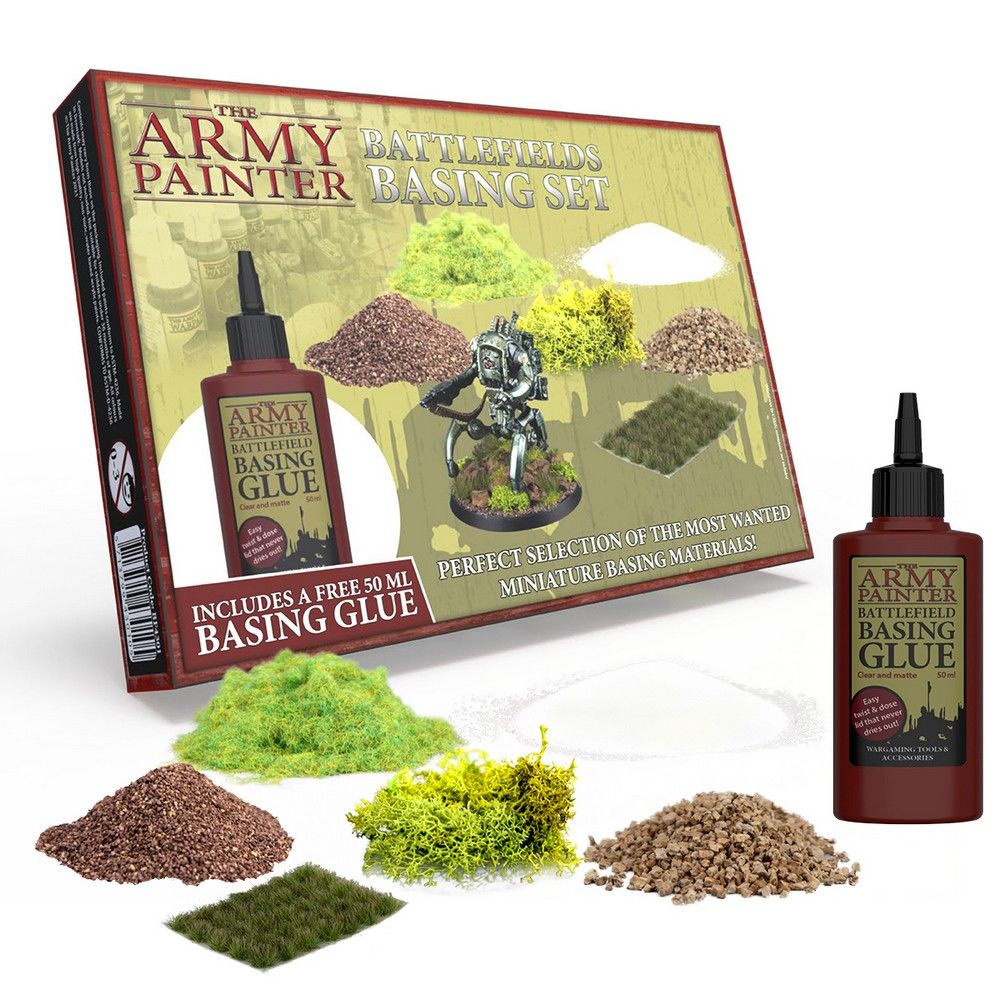
One-box basing set: sand, rocks, tufts, undergrowth, grass, snow and 50ml basing glue
Army Painter
Electrostatic static grass, 4-6mm fibres, 200ml
Green Stuff World
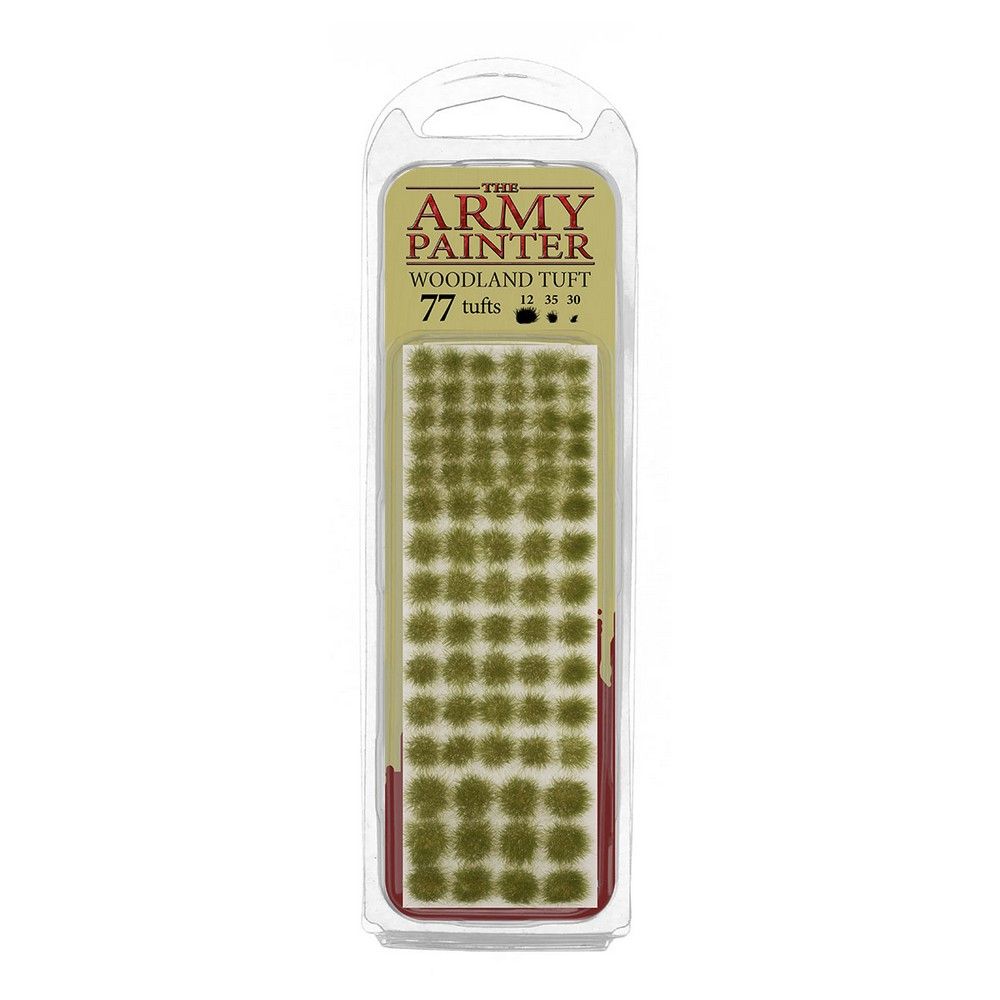
Army Painter Battlefields tufts, three sizes per pack, glued to the base
Army Painter
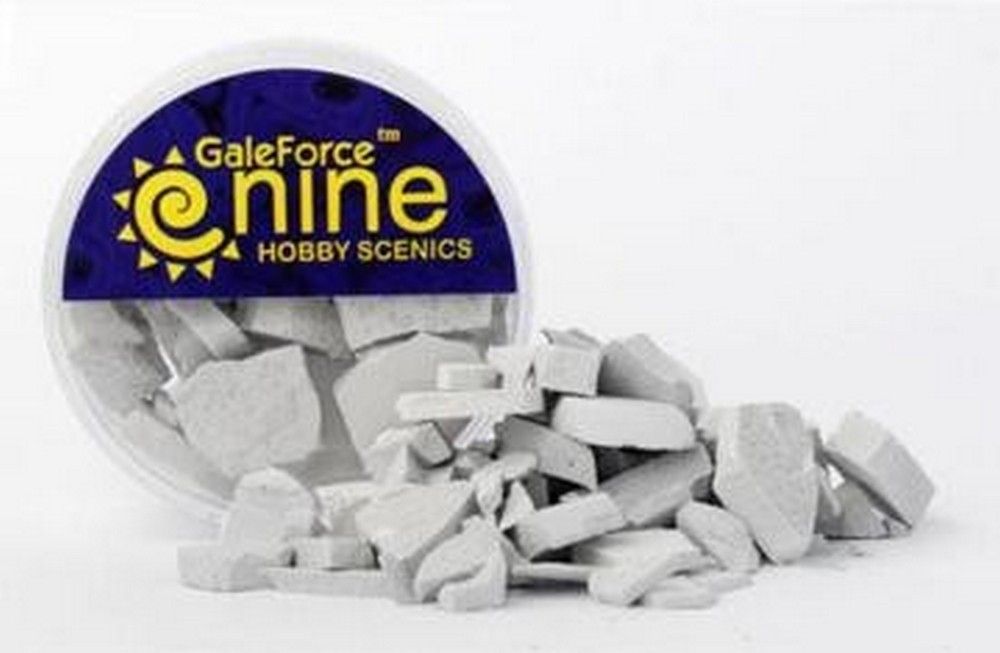
GF9 Hobby Round pot of static grass, flock, grit or snow
Gale Force Nine
Practice exercise: five bases, five styles
Before committing a recipe to a whole army, spend one sitting on five spare bases - sprue offcuts, or cheap bases bought for the purpose:
- A textured base, basecoated and drybrushed only - no wash, no grass.
- The same recipe with a wash added between basecoat and drybrush.
- A sand-and-PVA base in a different colour, to see how grain size changes the drybrush.
- A snow base, from the recipe below.
- A rubble base, with sprue offcuts pressed into wet texture before basecoating.
Line all five up under the light you actually paint under - how much the wash matters, how coarse a grain reads, and how much white a snow base can take are all easier to judge side by side than to guess from one.
Four base recipes, across four ranges
Each follows the step-by-step above: basecoat, optional wash, one or two drybrush passes. Pick a range, or mix them - none of these need to match the brand on the model itself.
Temperate earth
The default: a damp brown field, right for most human or generic fantasy/sci-fi armies.
- Citadel - basecoat Rhinox Hide, wash Agrax Earthshade, drybrush Baneblade Brown then Ushabti Bone.
- Vallejo - basecoat Flat Earth, wash Desert Dust Wash, drybrush Buff then Bone White.
- Army Painter - basecoat Oak Brown, wash Dark Tone, drybrush Skeleton Bone.
- AK Interactive - basecoat Earth Brown, wash Dark Wash, drybrush Light Sand.
Citadel (Warhammer Paints)
Citadel (Warhammer Paints)
Citadel (Warhammer Paints)
Vallejo
Vallejo
AK Interactive
Desert
Paler and warmer, for anything themed around sand or a dry world.
- Citadel - basecoat Zandri Dust, wash Seraphim Sepia, drybrush Karak Stone then Screaming Skull.
- Vallejo - basecoat Desert Sand, wash Desert Dust Wash, drybrush Buff.
- Army Painter - basecoat Desert Yellow, wash Soft Tone, drybrush Skeleton Bone.
- AK Interactive - basecoat Desert Sand, drybrush Light Sand.
Citadel (Warhammer Paints)
Citadel (Warhammer Paints)
Citadel (Warhammer Paints)
Vallejo
Army Painter
AK Interactive
Snow
Snow bases skip the earth-tone basecoat and build white over a grey "rock" colour, so the ground shows through in the crevices and at the rim, the way real snow settles on high points and thins out in the gaps: texture and basecoat as normal in a mid grey, drybrush the rock colour up one step, then stipple or heavily drybrush white over the top two-thirds of the texture.
- Citadel - rock basecoat Dawnstone, snow Corax White, highlight White Scar.
- Vallejo - rock basecoat German Grey, snow Snow, highlight White.
- Army Painter - rock basecoat Dungeon Grey, snow highlight Matt White.
- AK Interactive - snow Snow White, rock shadow Light Grey.
Citadel (Warhammer Paints)
Citadel (Warhammer Paints)
Citadel (Warhammer Paints)
Vallejo
AK Interactive
For a textured build-up rather than painted snow, a snow powder or flock pressed into wet glue gives a rougher, more granular result than paint alone.
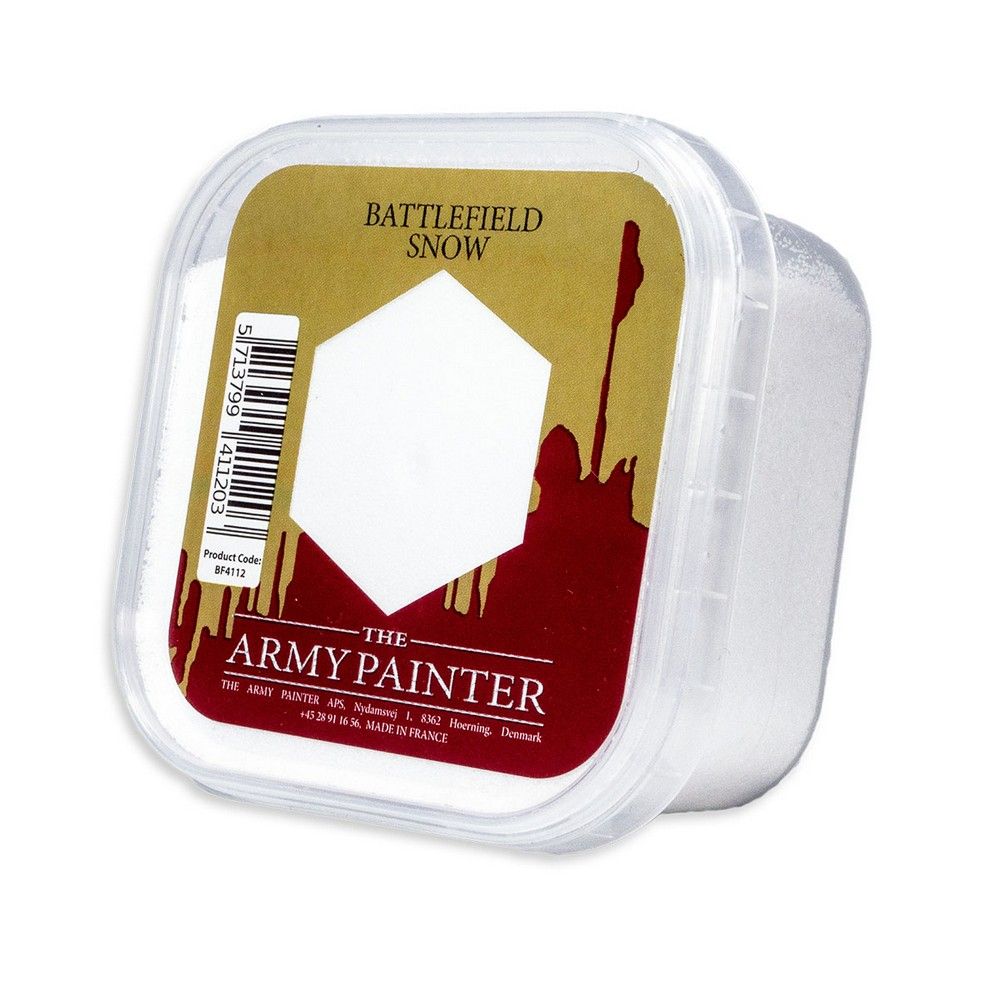
Army Painter Battlefields basing material, one pot
Army Painter
Scenic snow powder for winter bases, 200ml
Green Stuff World
Grimdark ash
A bleached, sooted wasteland, for armies that want their battlefield already fought over.
- Citadel - basecoat the Technical paint Typhus Corrosion directly (it textures and colours in one coat), wash Nuln Oil into the recesses, drybrush Dawnstone then Celestra Grey.
- Vallejo - basecoat German Grey, drybrush Basalt Grey then Light Grey.
- Army Painter - basecoat Uniform Grey, wash Dark Tone, drybrush Ash Grey then Company Grey.
- AK Interactive - basecoat Ash Grey, wash Dark Wash, drybrush Light Grey.
Citadel (Warhammer Paints)
Citadel (Warhammer Paints)
Citadel (Warhammer Paints)
Vallejo
Army Painter
AK Interactive
Every recipe works as well on a plain sand-and-PVA base as on a texture-paint one; the paint steps only care how coarse it is.
Common mistakes and fixes
- Rim colour bleeding onto the texture, or missed altogether. Paint it last, base tilted so you can see the join, and touch up any stray texture with the basecoat colour first.
- Glue shine on rubble or grass. PVA dries glossy where it pools instead of soaking in. A light drybrush once dry, or a coat of matt varnish, fixes it - a thin coat never pools to begin with.
- Tufts falling off. Ordinary PVA is often too weak for a fibre mat on an adhesive pad. Use a proper tacky or tuft glue, and press and hold rather than placing and walking away.
- Texture too coarse or too fine for the scale. Grit right on a 32mm base can swamp a skirmish model or vanish on a 60mm one. Test a spare base at the actual scale first.
- Drybrush pushed too far. If the highlight reads as bright as the model's own, the base competes rather than frames it. Stop one step earlier than feels finished.
- Inconsistent recipes across an army. The biggest give-away of separate painting batches. Write down the pots and order once you get it right, and repeat exactly.
Questions people ask
What's the easiest basing method for a beginner? Texture paint. One coat, cured, basecoated and drybrushed - no glue-and-sand stage, and the same pot covers a whole army.
Do I need to varnish a textured base? Not for texture paint - it's already matte acrylic. Loose static grass can shed fibres if handled roughly, so a light matte varnish spray helps it survive transport to a game.
Should the base match the terrain I actually play on? It helps but isn't required - most painters match their army's setting rather than their table. A desert army on a green mat still looks intentional; a base inconsistent with the rest of the army does not.
Should I base a miniature before or after painting it? Either order works. Basing first - texture and paint the base in the same sitting as the model - is the traditional order and keeps everything one job. Basing after is often easier on a model you've already painted, since there's no model to mask from texture and paint; keep wet texture off painted feet with a cocktail stick, not a brush.
What glue do I use to attach a miniature to its base? Plastic cement for a polystyrene peg into a polystyrene base slot - it welds the two into one piece rather than gluing them. Super glue for resin, metal, or a plastic cement won't touch. PVA is for the texture and static grass on top, not for fixing the model itself. The plastic glue guide covers which is which.
How do I stop static grass looking flat? Fibres pressed on by hand lie down; fibres fired from an applicator stand up, because the electrical charge gives them their lift. The static grass applicator guide covers the comparison against tufts in full.
Basing materials
Texture paste, static grass and tufts cover most basing needs.
We earn a small commission from qualifying purchases at no extra cost to you.