


The thing that catches people out about Americans is that olive drab is two colours, not one. The wool shirt, the trousers and the M1941 jacket are shade No. 3, a light tan-khaki with a mustard cast. The M1943 field jacket that replaces it from late 1943 is shade No. 7, a much darker green drab. A 1944 GI is usually wearing both at once, and painting them as a single tone is what makes an American squad look flat and toy-like. Get the two layers apart and the rest of the figure - khaki webbing, brown boots, an olive helmet - is a very short shopping list.
The signature look
A dark green outer layer over lighter khaki wool, cotton webbing sitting between the two in value, russet-brown leather boots and a helmet a shade darker than the jacket. There is no blackened leather anywhere on an American, which is the fastest way to tell one from a German at table distance. And, unusually for a WW2 army, almost no camouflage: outside the Marines, all the visual interest comes from stacking drabs rather than from pattern.
The olive drab uniform
Undercoat black or dark grey. Shade No. 7 is dark enough that a white primer fights you.
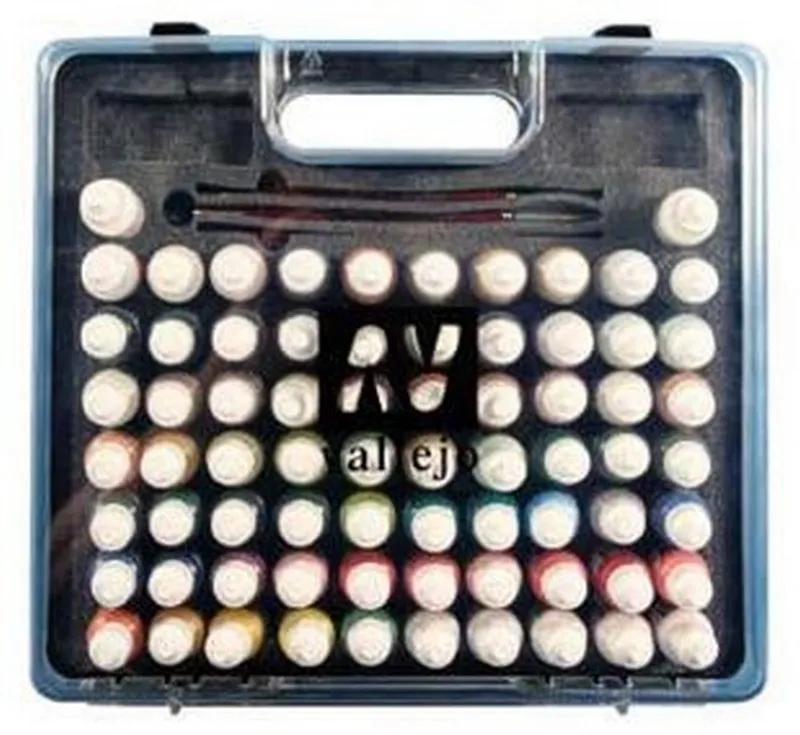
- Basecoat Vallejo Model Color US Olive Drab, two thin coats. This is shade No. 7 - the M1943 jacket, the trousers that go with it and the helmet - and it is the one bottle to own if you own only one.
- Shade with Agrax Earthshade in the folds, or Army Painter Military Shade across the whole garment if you want the green to survive the wash.
- Layer US Olive Drab back over the raised cloth: the chest, the tops of the shoulders, the front of the thighs.
- Highlight with US Olive Drab mixed roughly two parts to one with Green Ochre, then a sparing final catch of Iraqi Sand on shoulders, elbows and the top of the pack.
For the wool shirt, trousers and M1941 jacket - shade No. 3, and most of what an early or mid-war figure is wearing - run the same four steps with Khaki as the base, Dark Sand in the highlight mix and Buff as the last catch. Jacket dark, trousers light, on the same model, is the whole trick.
Citadel equivalent: Death Korps Drab with a drop of Castellan Green in the base, Agrax Earthshade, then Ogryn Camo to highlight. Army Painter Fanatic: Army Green shaded Military Shade and highlighted Command Khaki.
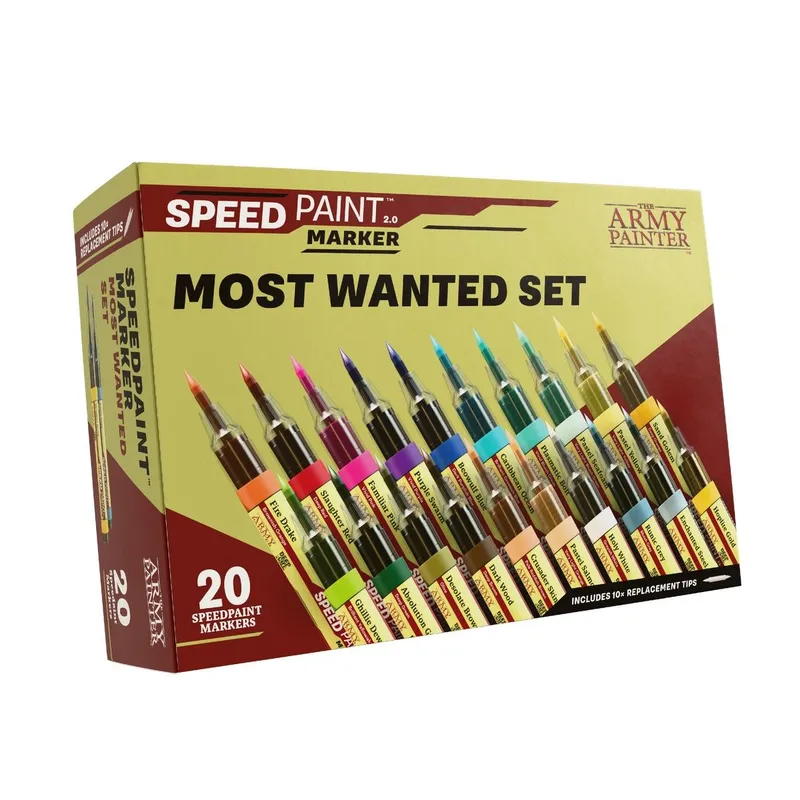
Speed route: undercoat grey, lay one coat of Army Painter Speedpaint Camo Cloak or Citadel Militarum Green contrast, then a single edge catch of Green Ochre. Ten men in an evening, and picking the wool layer back in Khaki afterwards costs about a minute a model.
Webbing, boots and metal
- M1928 haversack, cartridge belt, musette bag and canvas leggings: Khaki basecoat, Agrax Earthshade, highlight Buff. This is cotton webbing, not leather, and it should read lighter than the jacket. Late-war kit in the darker shade goes Green Ochre shaded Military Shade.
- Service shoes and M1943 double-buckle boots: Cavalry Brown shaded Agrax Earthshade, highlighted Beige Brown. Russet brown, never black.
- M1 helmet: US Olive Drab shaded Nuln Oil, highlighted on the rim and crown only. Netting is a light drybrush of Khaki over the finished dome, not a painted mesh.
- Garand and Thompson stocks: Flat Brown highlighted Beige Brown; metalwork Gunmetal shaded Nuln Oil, or Citadel Leadbelcher into Runefang Steel.
- Faces: Basic Skin Tone, Agrax Earthshade, Medium Fleshtone, then a touch of Light Flesh on nose and cheekbones.
Airborne, Marines and vehicles
Airborne, the M42 jump suit. The 1943-44 jump suit is the light drab, so base the whole figure Khaki, shade Agrax Earthshade and highlight Dark Sand, with the reinforcement panels at knee and elbow left a step darker. Jump boots are Cavalry Brown taken up to Beige Brown on the toecap - these were the most polished boots in the army and it is worth showing. The shoulder flag is three tiny strokes: Off-White, Carmine Red and Dark Blue. From late 1944 the Airborne are in M1943 jackets, so switch to the dark recipe and keep the boots.
USMC, sage green and frog-skin. Herringbone twill utilities are a sage green, greyer than Army drab: Olive Grey basecoat, Military Shade, highlight Olive Grey with a little Buff. Frog-skin helmet covers and ponchos are base Khaki with small rounded blotches of Camouflage Olive Green and Chocolate Brown and a scatter of Green Ochre spots, the whole panel then washed Agrax Earthshade so it settles into one garment.
Vehicles. From a jeep to a Pershing, everything wears the same single colour, which makes this the cheapest motor pool in the game: US Olive Drab overall, Agrax Earthshade run into panel lines and around fittings, a drybrush of Green Ochre on edges, then dust the running gear with Iraqi Sand. Recognition stars go on in Off-White; pure white reads as a decal.
Tips and common mistakes
- Two drabs, not one. Dark jacket over light trousers is the 1944 GI. One flat olive over the whole model is the commonest American mistake and the easiest to fix.
- Nothing on a GI is black. Russet boots, khaki webbing, brown slings. Blackened leather belongs to the other side of the table.
- Webbing sits between the layers. Lighter than the jacket, close to the wool. If it vanishes into either, the torso loses its shape.
- One bottle does the armour. A pot of US Olive Drab covers every American vehicle you will ever buy, which is worth remembering when you are costing an army.
- Dust, do not mud. A light drybrush of Iraqi Sand on boots and leggings ties the figure to its base; heavy mud belongs on the Eastern Front.
When the palette is settled, open this scheme in the generator to swap brands or lighten the base towards the early-war wool.