


The Polish army of September 1939 wears a khaki all of its own: greyer and greener than British battledress, browner and duller than Soviet cloth, and nothing like feldgrau. It sits right in the middle of the drab band, which sounds like a problem and is actually the opportunity - one base bottle, one wash and two highlights cover every figure in the range, and the character comes from three details instead: the four-cornered rogatywka cap, warm brown leather kit, and a helmet whose paint finish was visibly rough. Five boxes make the whole army, so the shopping list here is genuinely short.
The signature look
Greyed khaki tunic, breeches and greatcoat, brown leather belt, braces and pouches, and a wz.31 helmet in a darker khaki-green with a granular, sandpapery surface. Greatcoats are everywhere - the infantry box is a greatcoat box - which means the largest flat area on most models is one colour, and that puts the whole weight of the scheme on getting the base tone right and varying it.
The wz.36 uniform
Undercoat black or dark brown; the khaki is a mid tone and benefits from shadow already being present.
- Basecoat Vallejo Model Color Khaki Grey, two thin coats. This is the reference bottle for Polish 1939 cloth, and its slight grey cast is exactly what separates it from a British tunic.
- Shade with Agrax Earthshade in the folds, or Army Painter Military Shade across the whole garment if you want it to stay cool rather than warming towards brown.
- Layer Khaki Grey back over the raised cloth: the chest, the tops of the shoulders, the front of the thighs, and the length of the greatcoat skirt.
- Highlight with Khaki Grey mixed two to one with Green Ochre, then a sparing final catch of Dark Sand on shoulders, elbows and the tops of the folds.
Run the greatcoat a shade apart from the tunic - a drop of Stone Grey in the base for the coat, a drop of Khaki for the tunic. Two related khakis on one model reads as issued cloth; a single flat khaki reads as a plastic figure.
Citadel equivalent: Steel Legion Drab basecoat greyed with a touch of Dawnstone, Agrax Earthshade, layer, highlight Karak Stone. Army Painter Fanatic: Command Khaki with a drop of Uniform Grey, shaded Military Shade, highlighted Tomb King Tan.
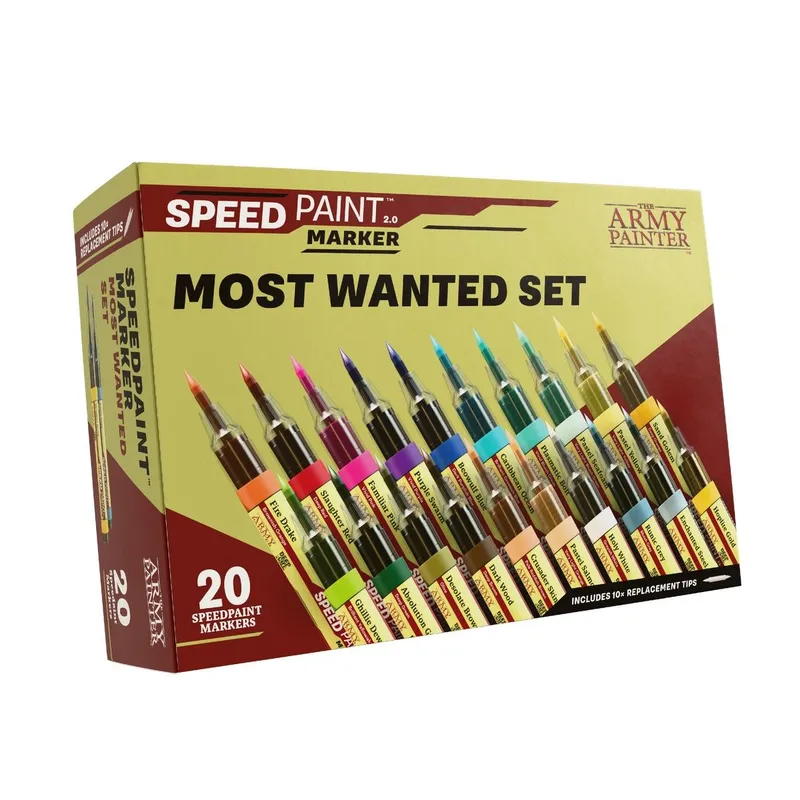
Speed route: undercoat Wraithbone, one coat of Army Painter Speedpaint Mummified Grime or Citadel Militarum Green contrast, then an edge catch of Dark Sand. Greatcoats are large uninterrupted panels, so the one-coat route flatters them - this is a nation you can field in two evenings.
The wz.31 helmet
Worth its own two minutes, because the Polish helmet did not have a smooth finish: the paint was applied with a granular texture, and showing that is the single most Polish thing on the model.
- Basecoat Camouflage Olive Green - distinctly darker and greener than the uniform.
- Shade Nuln Oil under the brim and around the rivets.
- Stipple, rather than brush, a thinned coat of the same Camouflage Olive Green across the dome to break the surface up. A little modelling paste in the mix exaggerates it nicely at 28mm.
- Drybrush Green Grey lightly over the whole dome. The texture catches it and does the work for you.
Leather, kit and metal
- Belt, Y-braces, pouches and pack straps: Flat Earth basecoat, Agrax Earthshade, highlight Beige Brown. Warm brown leather, mid-toned - the same tell as a Soviet, and nothing like German blackened straps.
- Officers' map cases, holsters and riding boots: Chocolate Brown shaded Nuln Oil, highlighted Beige Brown.
- Ankle boots with puttees, or long boots: Black Grey highlighted Neutral Grey for issue black, or the brown leather recipe for reservists.
- Rogatywka and field cap: the uniform khaki, with the cap eagle picked out in Silver and washed Nuln Oil. It is a two-millimetre detail that names the nation.
- wz.29 Mauser rifles and the wz.28 automatic rifle: Flat Brown stocks highlighted Beige Brown, metalwork Gunmetal shaded Nuln Oil, or Citadel Leadbelcher into Runefang Steel.
- Faces: Basic Skin Tone, Agrax Earthshade, Medium Fleshtone, a touch of Light Flesh.
Variations worth painting
Cavalry. Lance pennants are the one saturated colour in the army: Off-White over Carmine Red, painted as two clean bands with a hairline of the base khaki left showing at the staff.
Vehicles. The TKS tankette and the 7TP carry a three-colour disruptive scheme of soft-edged patches: base Iraqi Sand, then blotches of Camouflage Olive Green and Chocolate Brown with blurred rather than hard edges. Keep the sand visible between the patches - it is the ground colour, not a fourth blob.
Poles in exile. The 1st Armoured Division in Normandy and the 2nd Corps in Italy fought in British battledress, so those figures take the British recipe entirely: English Uniform cloth and pale Green Grey webbing, with the Polish eagle and a red-and-white flash as the only change. If you already own a British force, half a Polish one is on the shelf.
Tips and common mistakes
- Grey the khaki. If it looks like a British tunic, add grey; if it looks German, add brown. Polish cloth sits between the two on purpose.
- Brown leather, always. Belt, braces and pouches all warm brown. Dark webbing turns a Pole into a German in one brushstroke.
- Texture the helmet. Stipple it, do not paint it smooth. It is the detail that people who know the army will look for.
- Two khakis for the greatcoats. Coat and tunic a shade apart. A greatcoat squad in one flat colour is a very large flat colour.
- Mud to the knee. September 1939 was a fighting retreat: a drybrushed earth tone up the boots and coat skirt ties them to the base.
When the palette is settled, open this scheme in the generator to swap brands or push the base greener for the wz.31 helmet.