


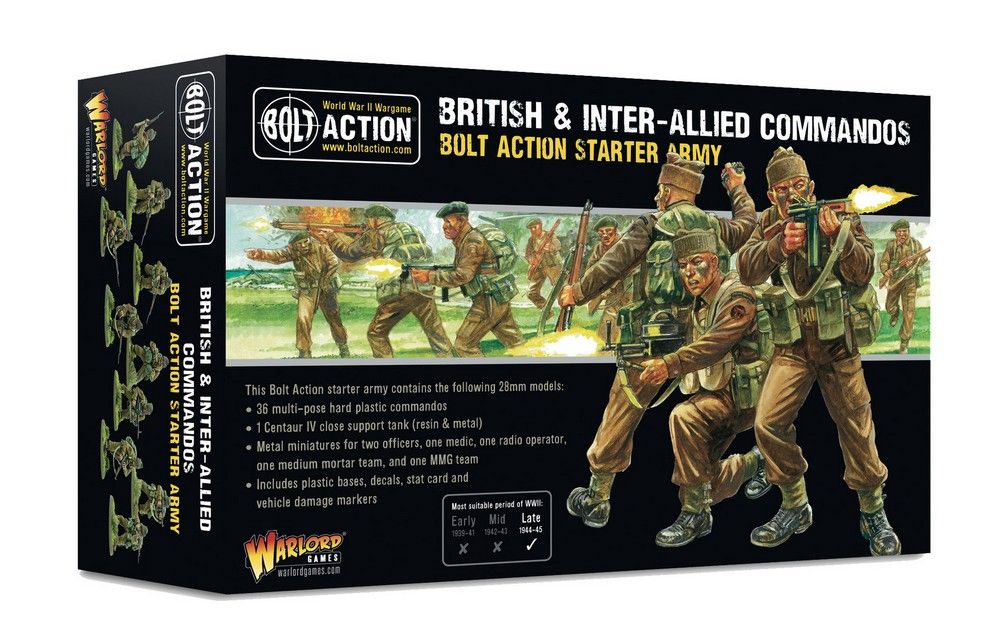
British infantry are the low-contrast test case of Bolt Action. Everything on the figure sits within a narrow band of khaki and brown, so a squad painted carelessly turns into a beige smudge at table distance. The fix is not brighter colours - it is understanding that on a British soldier the webbing is lighter than the uniform, the boots are much darker, and those two facts do all the structural work.
The signature look
Battledress serge is a brown-khaki: warmer and browner than Soviet or American drab, with none of the green a lot of painters instinctively add. Over it goes 1937 Pattern webbing, blancoed to a pale green-khaki that stands out clearly against the tunic, plus dark brown or black ammunition boots and a Mk II helmet in a duller khaki-green. Get those three values in the right order - pale webbing, mid uniform, dark boots - and the model reads correctly even before the detail goes on.
The battledress uniform
Undercoat black or dark brown; battledress is a mid-tone and benefits from shadows already being present.
- Basecoat Vallejo Model Color English Uniform, two thin coats. It is the reference colour for battledress serge and covers well over a dark undercoat.
- Shade with Agrax Earthshade, or Army Painter Strong Tone for the same warm result. Keep it in the folds; a full-garment wash makes serge look like leather.
- Layer English Uniform back over the raised cloth - the blouse chest, the tops of the sleeves, the front of the thighs.
- Highlight with English Uniform mixed roughly two to one with Khaki, then a very sparing final catch of Buff on the shoulders, the knees and the top of the pack. Stop earlier than feels right: wool serge is matt and dusty.
Citadel equivalent: Steel Legion Drab basecoat, Agrax Earthshade, layer Steel Legion Drab, highlight Karak Stone and finally Ushabti Bone. Army Painter Fanatic: Command Khaki, Strong Tone, then Tomb King Tan and Urban Buff.
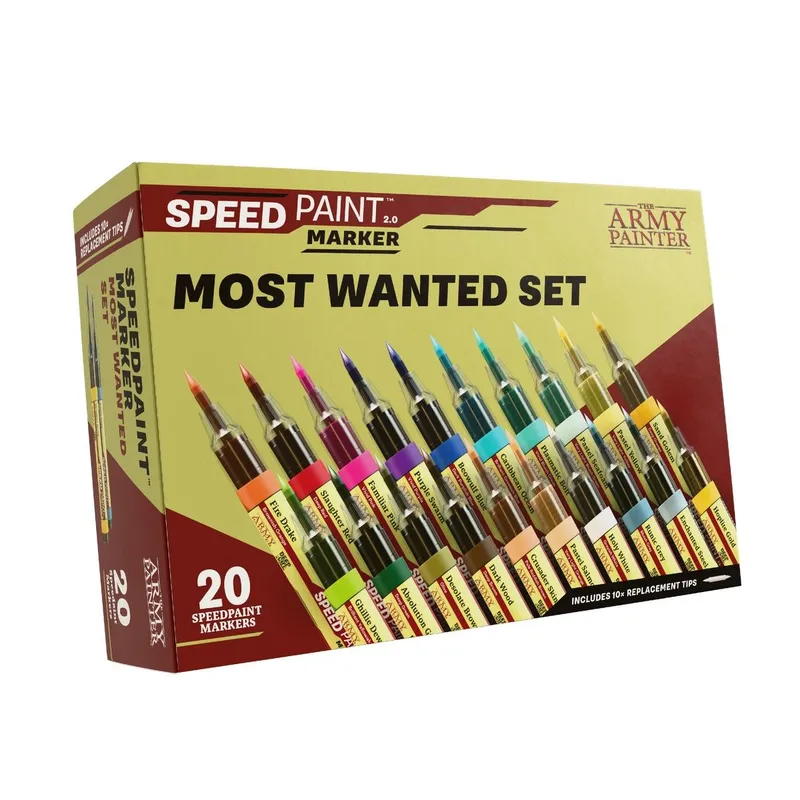
Speed route: undercoat Wraithbone and lay a single coat of Citadel Garaghak's Sewer contrast, or Army Painter Speedpaint Desolate Brown, then edge the folds with Khaki. That is a tabletop-ready platoon in two sessions, and it takes a later highlight pass happily if you want to upgrade the officers.
Webbing, boots and helmet
- 1937 Pattern webbing - belt, braces, Basic Pouches, small pack: Green Grey basecoat, shade Agrax Earthshade, highlight Green Grey with a little Buff. Blanco was applied in various shades but always ends up paler than the tunic. Painting it dark is the single commonest error on British figures.
- Ammunition boots, rifle slings and the leather jerkin: Black Grey for boots, Chocolate Brown for slings and jerkins, both highlighted with Beige Brown.
- Mk II helmet: Bronze Green shaded Nuln Oil, highlighted Green Grey on the rim and dome. Keep it distinctly greener and darker than the battledress so the head separates from the body.
- Rifles: Chocolate Brown stocks, Gunmetal metalwork shaded Nuln Oil, or Citadel Leadbelcher into Runefang Steel.
- Faces: Basic Skin Tone, Agrax Earthshade, Medium Fleshtone, a touch of Light Flesh.
Theatre variations
8th Army, Western Desert. Swap the serge for khaki drill: Iraqi Sand basecoat, Agrax Earthshade shade, Dark Sand layer, Pale Sand highlight. Take the webbing almost to Off-White and sun-bleach the helmet with Middle Stone. Same sculpts, two colour changes, a whole theatre.
Airborne, Denison smock. Base the smock Khaki, then paint broad, soft-edged sweeping strokes of Bronze Green and Chocolate Brown over it - long brush-painted shapes, because that is literally how the pattern was applied. Wash the panel with Agrax Earthshade to unify it, then highlight only the raised folds in the base khaki. The maroon beret is Burnt Red shaded Nuln Oil and highlighted Cavalry Brown.
Commonwealth. Canadian, Australian and Indian units use the same recipe; the difference is the headgear and the amount of sun-bleaching. For Pacific and Burma theatres, mix a little Green Ochre into the base and fade the highlight further towards Buff.
Tips and common mistakes
- Webbing lighter, boots darker. If the webbing disappears into the tunic you have lost the entire silhouette of the model.
- No green in the serge. Battledress is brown-khaki. Green belongs on the helmet and the Denison, not the blouse.
- PLCE is not WW2 kit. The pouch-heavy nylon webbing people picture from modern photographs is a 1980s pattern; a 1944 Tommy wears canvas 37 Pattern with two big chest pouches.
- Vary the bleaching, not the colour. Rather than mixing different khakis, keep one base and take the highlight further on some models. Sun-faded and fresh-issue in the same section looks entirely right.
- Mud the lower legs. Boots, gaiters and the backs of the calves. A drybrushed earth tone there ties the figure to its base and stops the khaki floating.
When the palette is settled, open this scheme in the generator to swap brands or shift the base towards desert drill.