
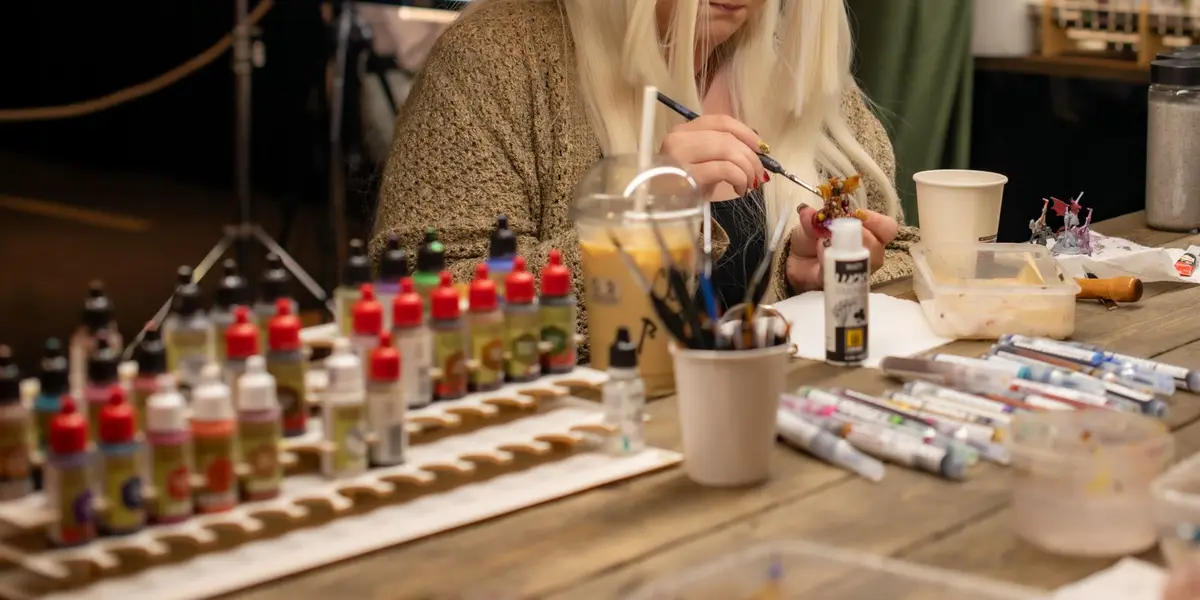
Wet blending is how you get a smooth, seamless transition from one colour to another - the gradient on a cloak, a glowing power sword, or a sunset on a banner. It is a showcase technique that takes practice, but the principle is simple: blend the colours while they are still wet on the model.
What it is
Instead of building a gradient from many thin layers, you place two colours next to each other on the model and work the wet edge between them back and forth until they merge into a smooth transition - all before the paint dries.
How to do it
- Work fast and small. Acrylics dry quickly, so blend one small area at a time.
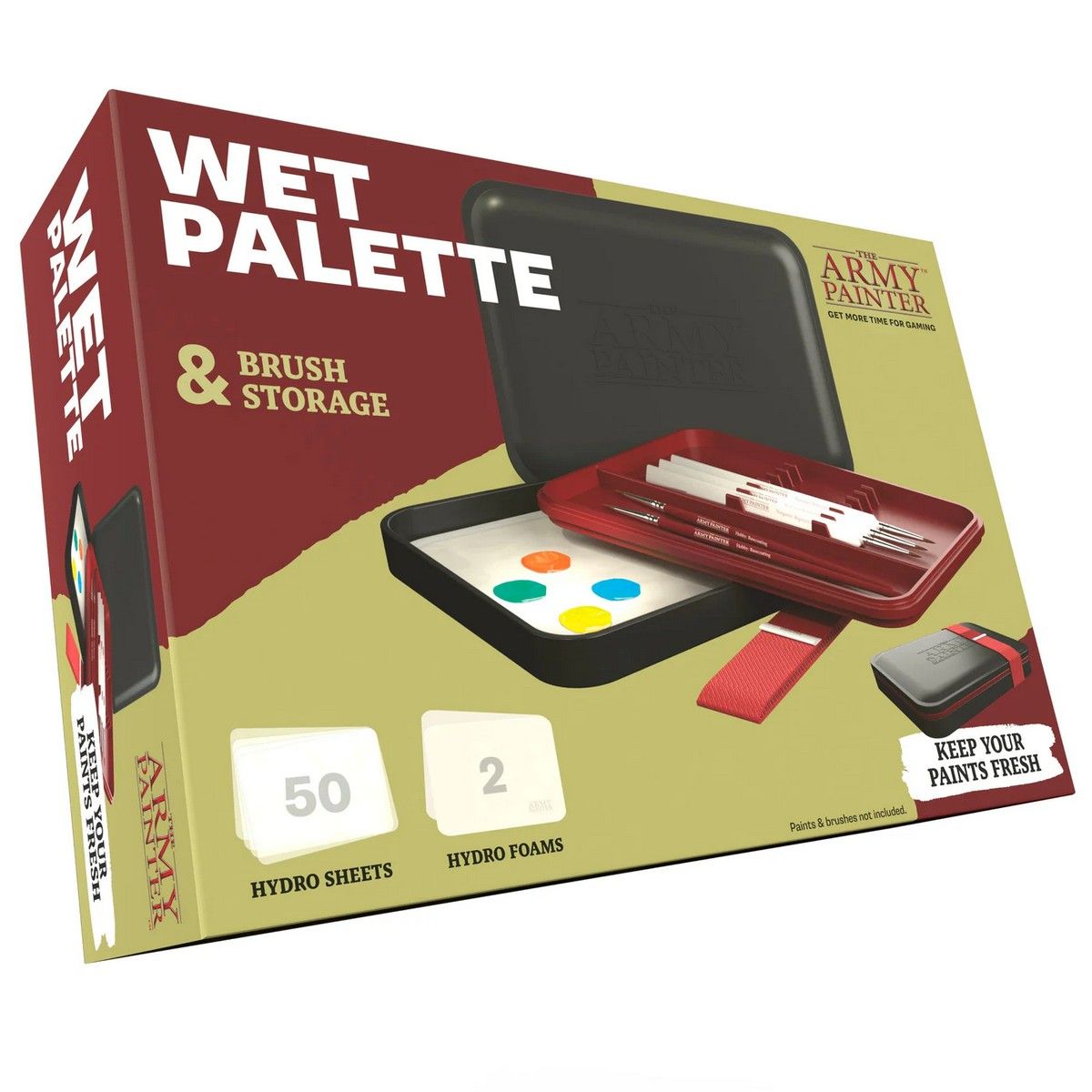
- Use a wet palette to keep your paints workable, and thin them slightly.
- Place both colours on the model next to each other.
- Feather the join - brush gently back and forth along the wet boundary, picking up a little of each colour, until the line disappears.
- Extend your working time with a touch of medium or flow improver, or a drying retarder for larger blends.
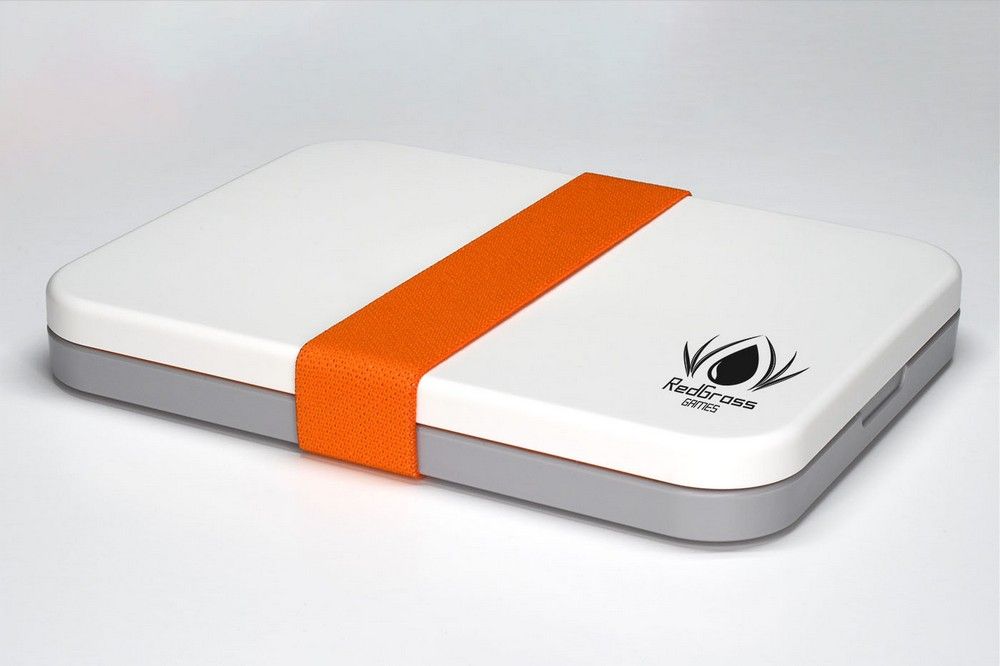
Sealed wet palette, Painter Lite size
Redgrass Games
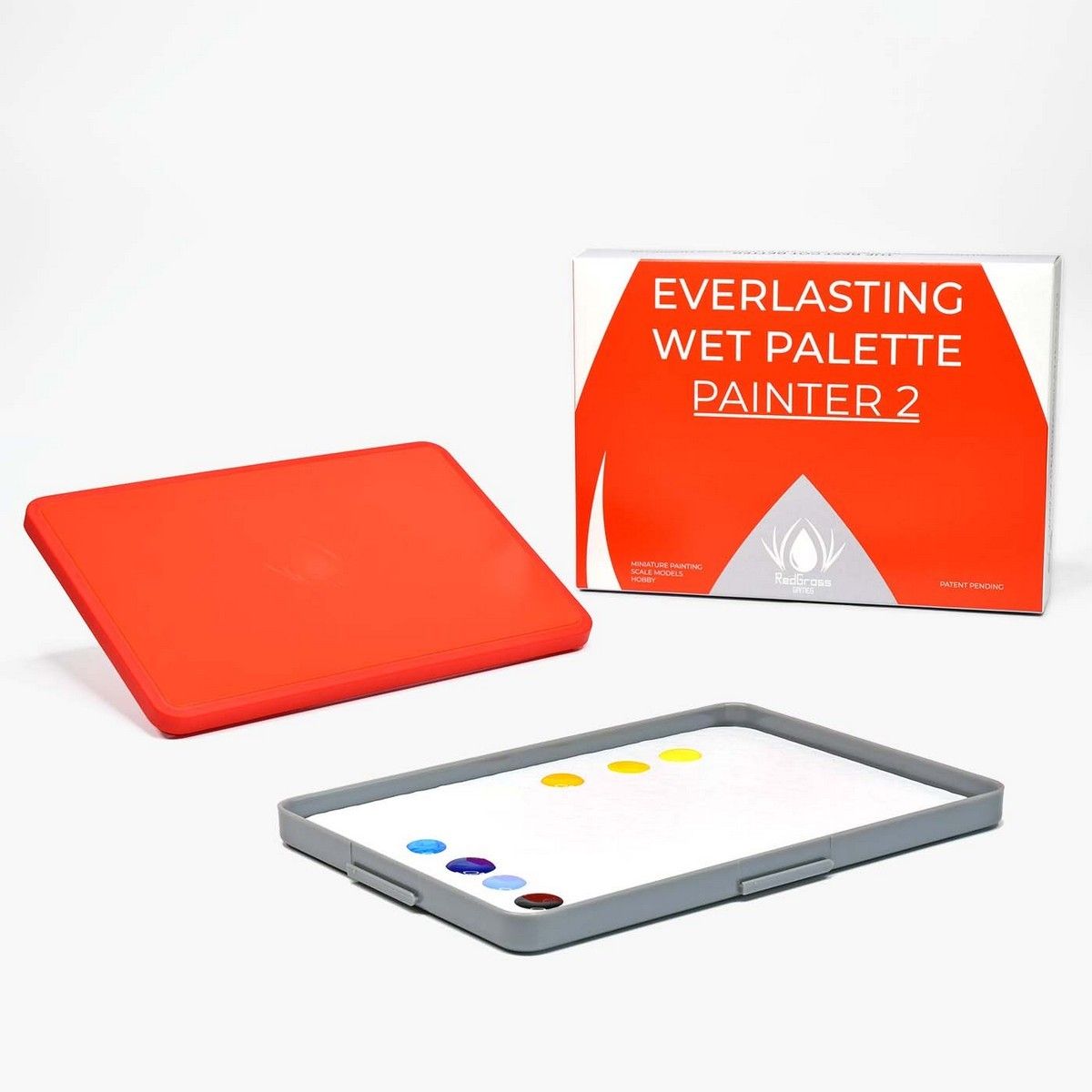
Sealed wet palette, Painter V2
Redgrass Games
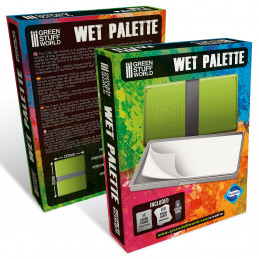
Sealed wet palette, 182x132mm work area, tray with lid
Green Stuff World

Where to use it
- Cloaks, robes and large smooth panels.
- Object-source lighting (glowing weapons, energy, fire).
- Skin and faces on character models.
Tips and common mistakes
- A wet palette is almost essential - it keeps the paint open long enough to blend.
- Small sections. Don't try to blend a whole cloak at once; do it in patches.
- Practice on flat areas first before tackling curved armour.
Citadel (Warhammer Paints)
Vallejo
Reaper
AK Interactive
Wet palettes for blending
Wet blending is far easier with a wet palette keeping your paint workable.
We earn a small commission from qualifying purchases at no extra cost to you.