
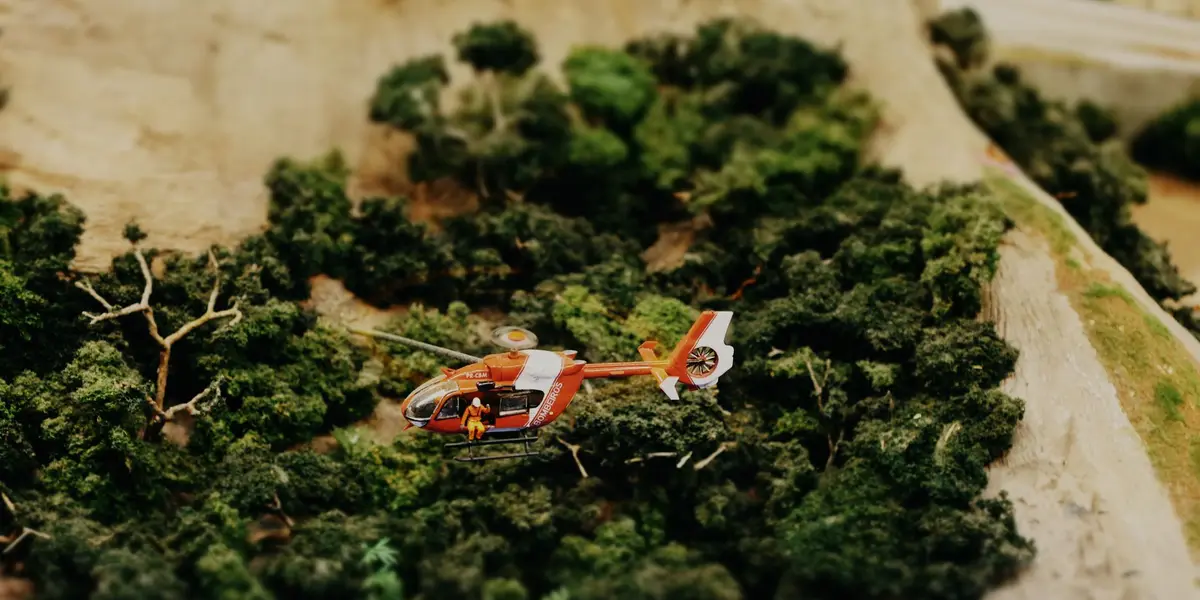
Basing is the fastest way to make a model look finished. A painted miniature on a bare plastic base looks unfinished; the same model on a simple textured base looks like part of an army. It takes minutes and ties your whole force together visually.
The quick standard base
The most reliable, fast approach:
- Texture - spread texture paste (or PVA glue and sand) over the base, keeping it off the rim.
- Basecoat a dark earth brown.
- Drybrush up through a lighter brown to a bone/grey to pick out the texture - this is where drybrushing shines.
- Wash optionally to knock it back, then add details.
- Paint the rim a single clean colour (black or a dark brown) - this one step makes an army look unified and intentional.
Citadel (Warhammer Paints)
Citadel (Warhammer Paints)
Citadel (Warhammer Paints)
Citadel (Warhammer Paints)
Adding interest
- Static grass and tufts - a couple of tufts per base adds life instantly.
- Rubble, skulls and slate - press bits into the wet texture for ruined-battlefield bases.
- Themed bases - snow (baking soda and PVA), sand, urban rubble, or alien growth to match your army.
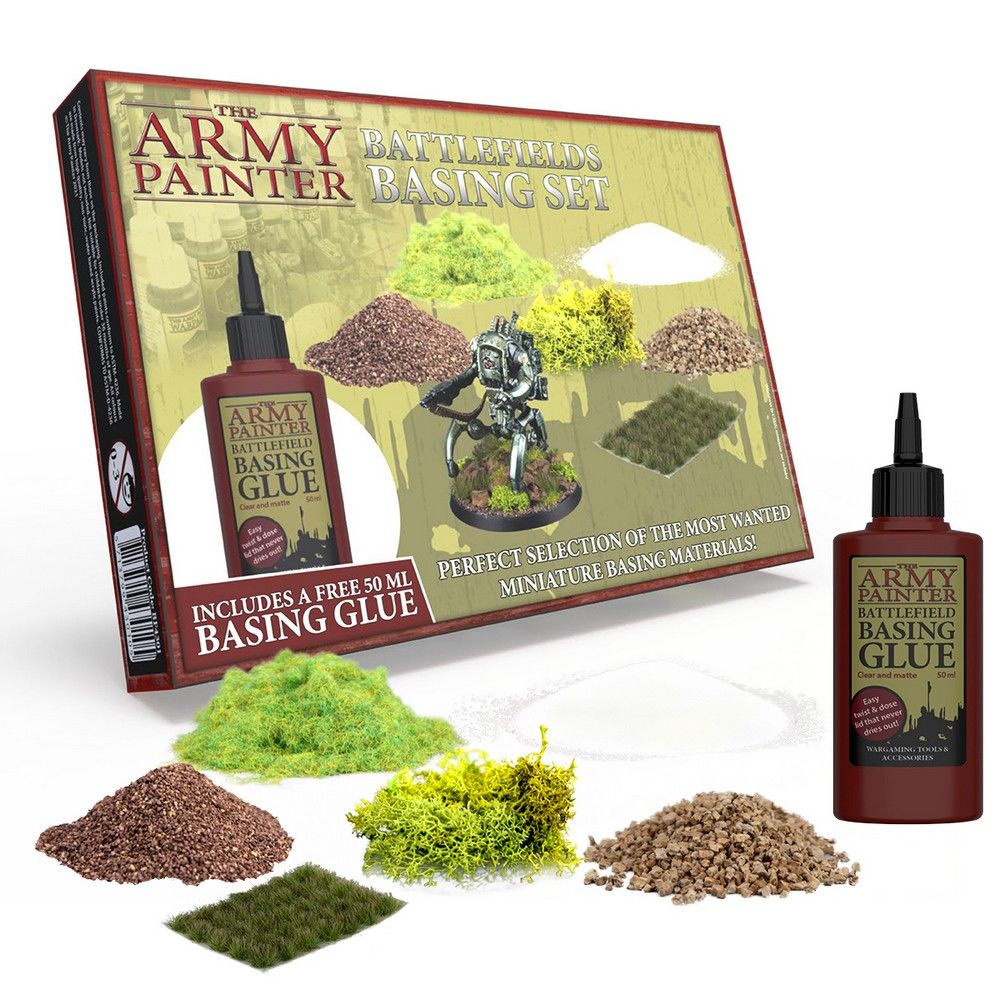
One-box basing set: sand, rocks, tufts, undergrowth, grass, snow and 50ml basing glue
Army Painter
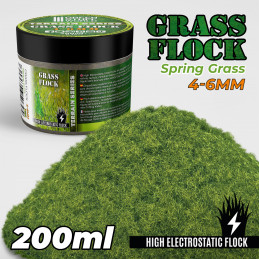
Electrostatic static grass, 4-6mm fibres, 200ml
Green Stuff World

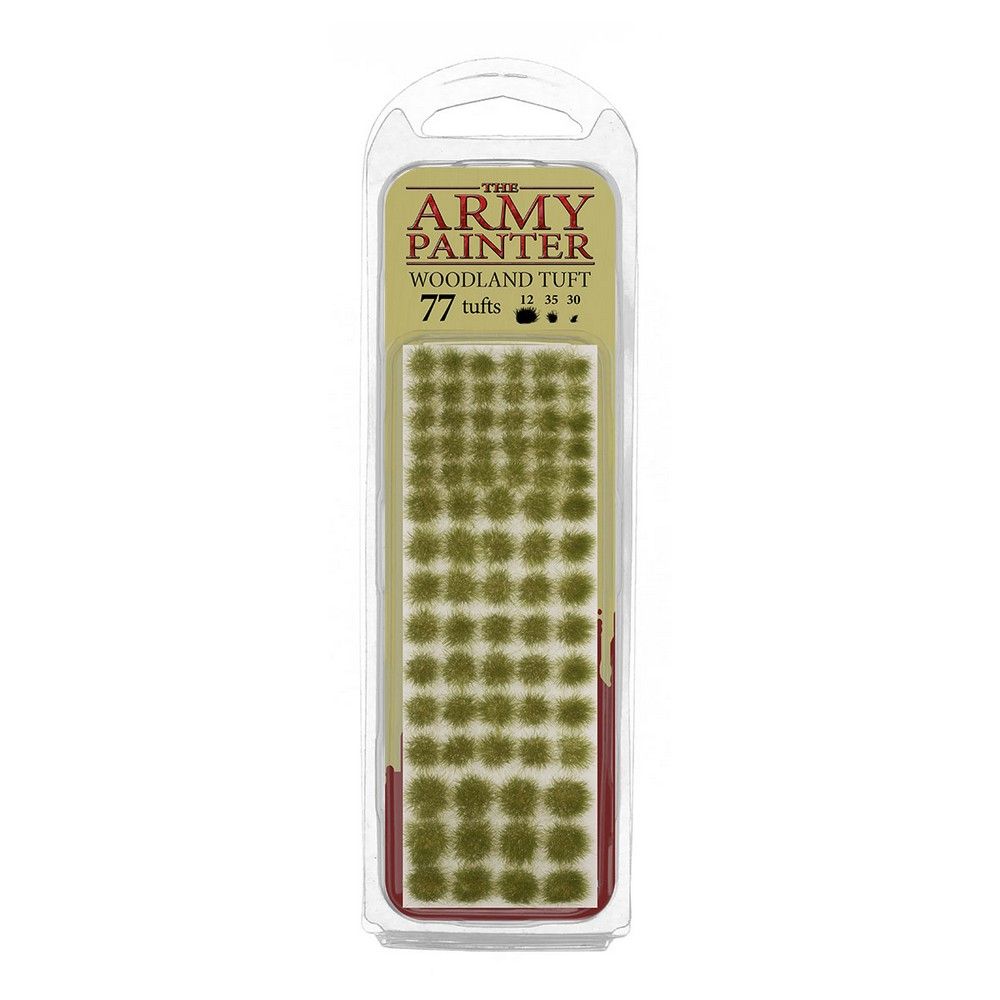
Army Painter Battlefields tufts, three sizes per pack, glued to the base
Army Painter
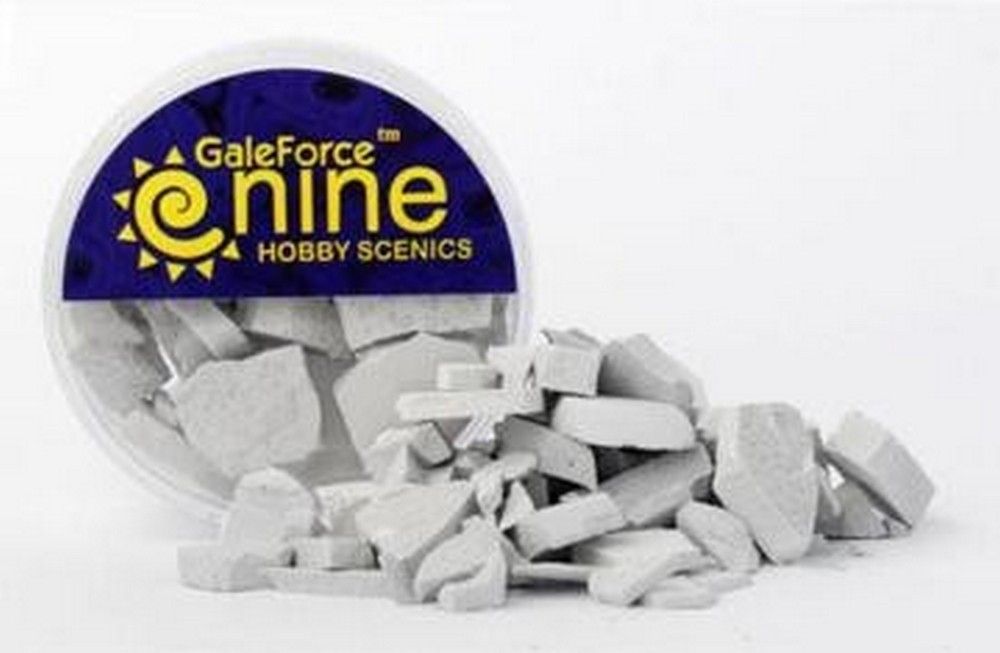
GF9 Hobby Round pot of static grass, flock, grit or snow
Gale Force Nine
Tips and common mistakes
- Always paint the rim. It is the single biggest "finished vs unfinished" tell.
- Keep it consistent. The same base recipe across the army is what makes it read as a force.
- Don't overdo it. Bases should frame the model, not upstage it.
Basing materials
Texture paste, static grass and tufts cover most basing needs.
We earn a small commission from qualifying purchases at no extra cost to you.