
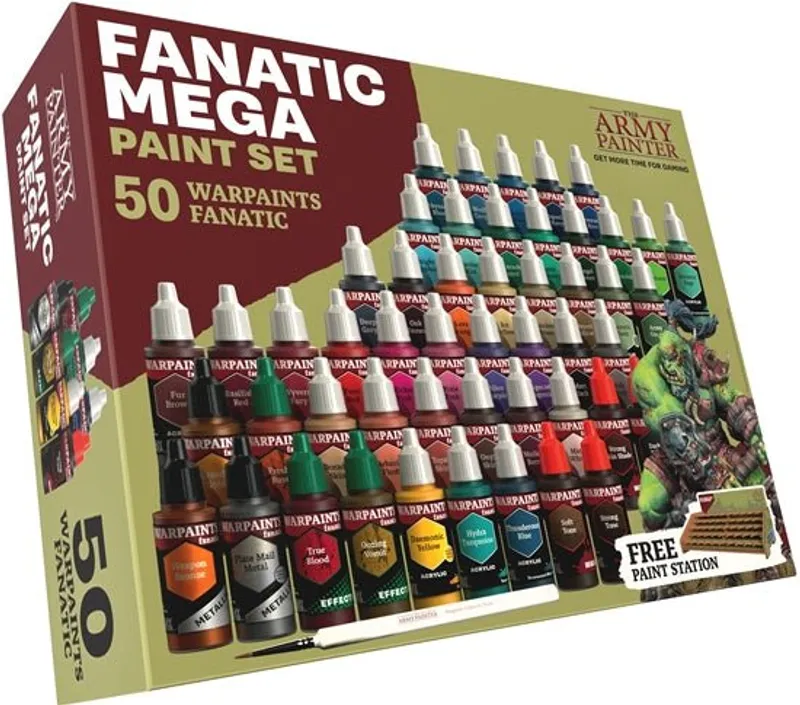


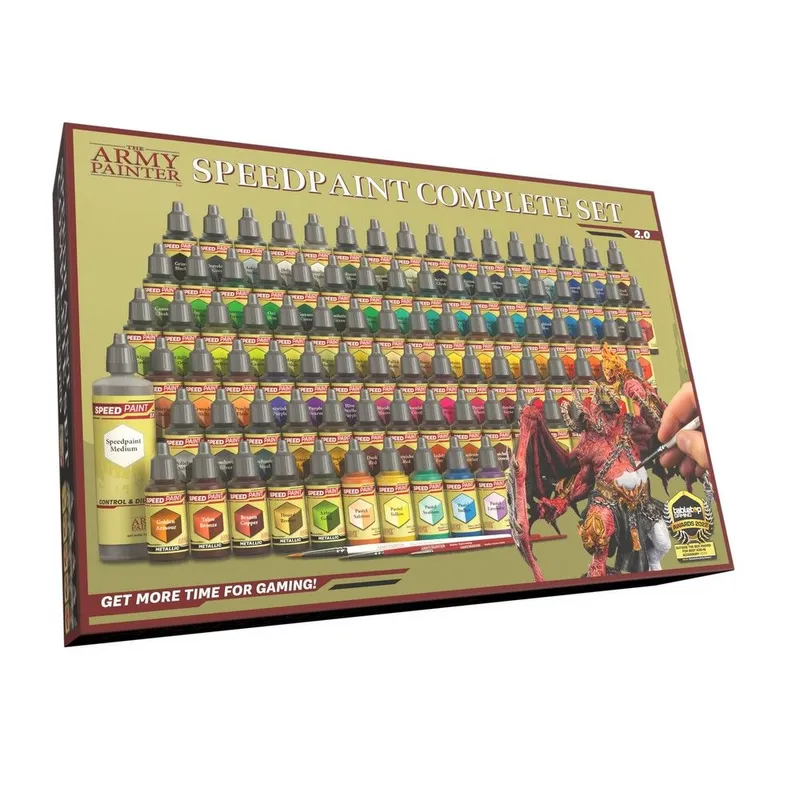

Soulblight is two painting projects wearing one banner. The rank and file - skeletons, zombies, dire wolves - is a horde you want off the workbench as fast as possible. The vampires are jewel-like character models you will happily spend an evening each on. Treat them differently, and the army arrives quickly without looking like it was rushed.
The signature look
Old, dirty bone. Grey-green rotting flesh. Porcelain-pale vampire skin against deep crimson and black. Tarnished iron on the dead, and clean gold on the nobility - the class difference between the risen and the risen well is the most interesting thing in the palette.
Skeletons in one coat
This is as fast as a horde army gets. Undercoat Wraithbone and lay Skeleton Horde contrast over the whole model - it bases and shades bone, cloth and rusted iron simultaneously. Drybrush Screaming Skull over the ribs, skull and shoulders, pick out the shields, and the model is done. Twenty Deathrattle Skeletons in an evening is entirely realistic.
If you want more depth on the Grave Guard and Barrow Knights, do it properly instead: Zandri Dust, Agrax Earthshade, layer Ushabti Bone, highlight Screaming Skull, then a spot of Seraphim Sepia in the eye sockets before you drop in a dot of light.
Zombies and wolves
Deadwalker Zombies want sickly, not skeletal. Basecoat Rakarth Flesh, wash Athonian Camoshade so the flesh goes green in the hollows, layer Rakarth Flesh again on the raised skin and glaze small patches of Druchii Violet and Carroburg Crimson as bruising and exposed muscle. Plaguebearer Flesh contrast over Wraithbone does a decent one-coat version. Rags go Steel Legion Drab with Agrax Earthshade.
Dire wolves and fell bats take Rhinox Hide, drybrushed Stormvermin Fur and Karak Stone, with Pallid Wych Flesh on the exposed bone.
Vampires
Slow down here. Skin is Rakarth Flesh, shaded with thinned Druchii Violet rather than a brown wash, layered Pallid Wych Flesh and finished with Corax White on the cheekbones, nose and knuckles - cold and bloodless. Cloaks and armour go Khorne Red basecoat, Nuln Oil shade, Mephiston Red layer and Wazdakka Red edge; Flesh Tearers Red contrast is the quick alternative and stays convincingly dark.
Gold is what separates them from their servants: Balthasar Gold, Agrax Earthshade, Retributor Armour on the raised work and Stormhost Silver on the finest edges. Blood Knights get the same treatment across their plate, which is why a six-model unit takes as long as forty skeletons. Finish with Blood For The Blood God at the mouth and on the last third of the blade - restraint matters, since these are aristocrats rather than butchers.
Dynasty palettes
- Kastelai - crimson and gold, the recipe above pushed onto every unit including the skeletons' shields.
- Legion of Blood - regal purple and pale gold. Naggaroth Night into Xereus Purple, shaded Druchii Violet.
- Legion of Night - black and dark green. Abaddon Black cloaks edged Eshin Grey, with Caliban Green trim.
- Vyrkos - feral and muted. Furs, Steel Legion Drab cloth and far less gold.
- Avengorii - monstrous and pale. Lean on Pallid Wych Flesh and Apothecary White across the whole model.
Speed
The honest judgement: the horde half of this army is among the quickest in the game thanks to a contrast paint made specifically for it, and the character half is among the slowest. Paint the skeletons and zombies first in big batches, get a playable force on the table, and let the vampires be the reward. Do not start with a unit of Blood Knights unless you want to lose a fortnight before your first game.
Tips and common mistakes
- Dirty the bone. Clean white bone looks like plastic; keep it warm and grubby.
- Shade vampire skin with violet. Brown washes make them look tanned, which is the one thing a vampire is not.
- Consistent bases. Graveyard bases across horde and characters alike are what tie two very different paint standards into one army.
- Ration the blood. Mouth and blade edge only.
Set your crimson before you start the vampires - open the scheme in the generator to compare it against the dynasty options.