


The Malstrain are the Hive Secundus strain, and they should not look like a freshly hatched brood. Everything about them wants to read as old: a purple carapace gone slightly dusty, flesh with no blood in it, and a layer of settled grime up the legs. That last part is the bit most painters skip, and it is the difference between a clean tyranid and something that has been in a sealed dome since the dome was sealed.
They are also a quick gang. Chitin takes washes and drybrushing beautifully, there is almost no trim, and the models are large enough that the work shows.
The signature look
A cool purple carapace that drops towards blue in the shadows, set against pallid grey-pink flesh with no warmth in it. Bone talons and teeth give the third value. Then dirt: dry, pale, powdery filth clinging to the lower limbs and the undersides. Two of those three are colour decisions; the third is a texture decision, and it is the one that sells the model.
The purple carapace
- Basecoat Naggaroth Night over a black undercoat, two thin coats.
- Shade with Druchii Violet in the plate joins. Where you want the shadows colder, use Drakenhof Nightshade instead - a blue shadow under a purple plate is what makes chitin look hard.
- Layer Xereus Purple across the raised carapace, keeping the shade in the seams.
- Edge-highlight Genestealer Purple along the ridges and the leading edge of each plate.
- On the biggest surfaces only, add a whisper of Genestealer Purple mixed with White Scar on the sharpest corners.
The fast route: undercoat Grey Seer, one coat of Shyish Purple contrast, then drybrush Genestealer Purple over the whole carapace. The contrast does the shading and the drybrush does the highlight, and on textured chitin nobody can tell you did it in two steps. This is the route for a full brood.
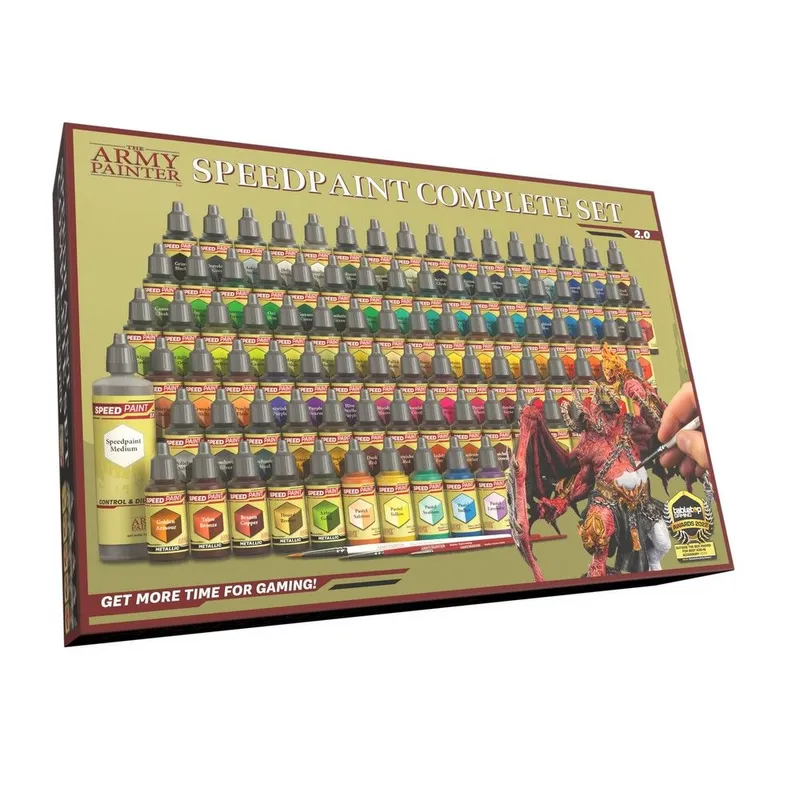
Vallejo Royal Purple into Warlord Purple, or Army Painter Hive Dweller Purple, cover the same ground.
The pallid flesh
The trap here is painting normal skin. Malstrain flesh is bloodless and slightly grey.
- Basecoat Rakarth Flesh.
- Shade with Druchii Violet, not a flesh wash. Purple in the recesses keeps the skin cold and ties it to the carapace.
- Layer Pallid Wych Flesh over the raised muscle.
- Highlight White Scar very sparingly on the brow, knuckles and the tops of tensed limbs.
Vallejo Pale Flesh or Army Painter Corpse Pale and Necrotic Flesh work as substitutes. If a model looks too healthy, glaze thinned Druchii Violet over the flesh again rather than repainting it.
Talons, teeth and eyes
Claws, teeth and the ribbed underbelly plates: Rhinox Hide basecoat, Agrax Earthshade, layer Karak Stone, then Screaming Skull on the very tips. A yellowed talon against a purple plate is a strong contrast and worth doing carefully - there are only a dozen of them per model.
Mouths and tongues: Khorne Red into the recess, Wild Rider Red on the tongue, and a gloss coat so the mouth stays wet against an otherwise dusty model.
Eyes are simplest left blind: a solid dot of Screaming Skull with no pupil reads as a thing that hunts by scent, which is exactly right for the strain.
Hive Secundus grime
Do this last, over everything, or it will not look like dirt.
- Drag thinned Steel Legion Drab upwards from the feet across the lower legs and the underside of the body, keeping it patchy.
- Stipple Typhus Corrosion into the deepest crevices around the joints and claws.
- Dust the whole lower third with a very light drybrush of Karak Stone - dry, pale powder rather than wet mud.
- Base to match with Stirland Mud or a cracked Agrellan Earth panel, and let a little of the same dust ride up onto the model.
Tips and common mistakes
- Keep the flesh colder than you want to. Every instinct says add pink. Resist it; the purple shade is what makes the model look wrong in the right way.
- Drybrush the carapace, do not layer it. These sculpts are covered in ridges. A drybrush catches them all in one pass and layering them takes twenty times as long for a worse result.
- Grime the undersides, not the tops. Dirt settles and splashes upwards. Dust on the top of a shoulder plate reads as a mistake.
- Vary the brood. Push one or two models bluer with an extra Drakenhof Nightshade glaze so the group does not look moulded from one piece of plastic.
When the palette is settled, open this scheme in the generator to swap brands or push the carapace further towards blue.