

A good brush can last years if you treat it well, or weeks if you don't. Brush care isn't complicated, but it needs to be consistent. The difference between painters who are constantly replacing brushes and those who get years out of a single Winsor & Newton Series 7 usually comes down to a few simple habits.
The Golden Rule
Never let paint dry in the brush. Especially not in the ferrule.
Every piece of advice in this guide is essentially a variation of this rule. Dried acrylic paint in the bristles pushes them apart, destroys the point, and once it gets into the ferrule (the metal sleeve), the brush is effectively dead. Acrylic paint dries fast, so get into the habit of rinsing your brush frequently while painting.
During a Painting Session
Most brush damage happens while you're actually painting, not after. These habits will save your brushes.
Use two water pots
Keep one pot of clean water for thinning paint and loading your brush, and a second "dirty" pot for rinsing paint out between colours. This prevents you from contaminating your paint with dirty water and means your rinse water can get truly filthy without affecting your painting.
Rinse often
Don't wait until you're switching colours. Rinse your brush every minute or two, even if you're still using the same paint. Acrylic paint starts to dry and thicken on the brush within minutes, especially near the ferrule. A quick swirl in water and a wipe on a paper towel takes two seconds.
Never dip past the ferrule
Only load paint onto the bottom two-thirds of the bristles at most. If paint gets up into the ferrule, it will dry there and slowly splay the bristles outward. This is the number one way good brushes die. It's especially easy to do when you're in the zone and not paying attention to how deep you're dipping.
Don't leave brushes sitting in water
Resting a brush tip-down in your water pot bends the bristles permanently. Even a few minutes can create a hook at the tip that never fully straightens. If you need to set your brush down, lay it flat on the table or put it in a brush holder.
Don't stab or scrub
Use the side and tip of the brush, not the point jammed straight down. Pushing the tip directly into the model splays the bristles and forces paint up towards the ferrule. Let the brush do the work. The only exception is stippling, where downward dabbing is the whole point, and you should use a cheap brush for that anyway.
Cleaning After a Session
When you're done painting for the day, take two minutes to properly clean your brushes. This is the single highest-impact thing you can do for brush longevity.
- Rinse thoroughly in water. Swirl the brush in clean water, gently working the bristles with your fingers to dislodge any remaining pigment. Keep rinsing until the water runs clear.
- Clean with brush soap. Wet the brush, then swirl it gently on the surface of your brush soap. Work the soap into the bristles with your fingers, especially near the ferrule where paint likes to hide. You'll often see colour coming out even when you thought the brush was clean. That's old pigment that was building up in the belly. Repeat until the lather comes out white.
- Reshape and condition. After cleaning, work a small amount of brush soap into the bristles and reshape the tip to a point with your fingers. Leave the soap in. This conditions the bristles and holds the point while the brush dries. The next time you paint, simply rinse the soap out and the brush is ready.
Brush Soap & Cleaners
Not all soaps are equal. Here's what works and what to avoid.
The Masters Brush Cleaner & Preserver
The most widely recommended brush soap in the miniature painting community, and for good reason. It cleans thoroughly, conditions the bristles, and a single pot lasts months of regular use. It's available in most art supply shops and online. If you buy one brush care product, make it this.
Winsor & Newton Brush Cleaner
A liquid cleaner that's good for deeper cleans and rescuing brushes with dried paint. Not a conditioner though, so you'll still want soap for day-to-day use.
Avoid
Washing-up liquid strips the natural oils from sable bristles and will degrade them over time. It works in a pinch for synthetics, but it's not a long-term solution. Solvents and acetone will destroy both sable and synthetic brushes. Never use them.
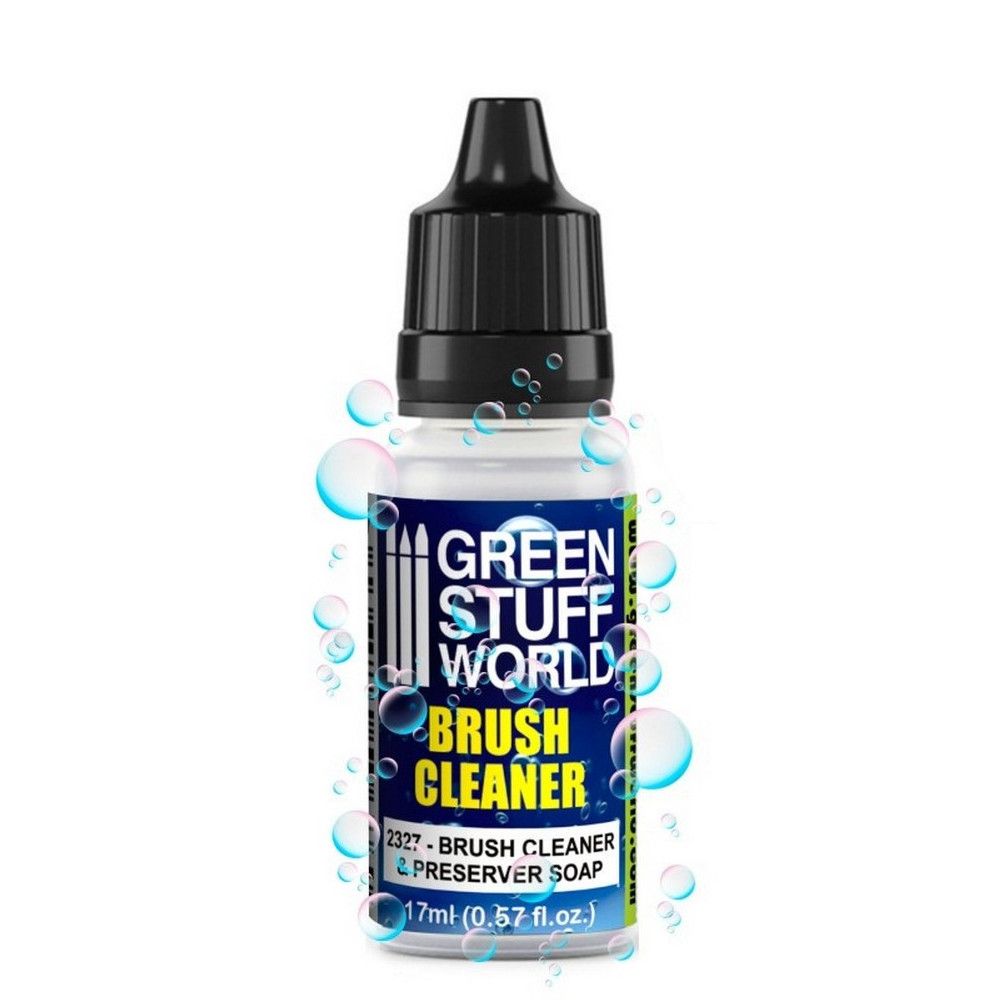
Green Stuff World


Rescuing Damaged Brushes
Got a brush with dried paint in the bristles, a splayed tip, or bristles going in every direction? It might not be dead yet.
Dried acrylic paint
Soak the brush in brush cleaner (not water, which does nothing to cured acrylic) for 15-30 minutes. Then gently work the bristles with your fingers to break up the softened paint. Repeat as needed. For stubborn cases, isopropyl alcohol can soften dried acrylic, but don't soak sable brushes in it for more than a minute or two as it dries out the hair.
Splayed or hooked bristles
Clean the brush thoroughly with brush soap, then reshape the tip and leave the soap in as a mould. For sable brushes, you can try dipping the tip briefly in near-boiling water (a few seconds only) and immediately reshaping with your fingers. The heat can relax the natural hair and let it reset. This doesn't work for synthetics, which have a permanent heat-set shape.
When to let go
If a brush has paint caked deep in the ferrule, or the bristles no longer form any kind of point no matter what you do, it's done as a detail brush. But don't bin it. Demote it to your "rough work" pile for drybrushing, applying PVA glue, mixing paints, or basecoating terrain. Every retired brush is one less cheap synthetic you need to buy.


Storage
How you store your brushes between sessions matters more than you'd think.
Store upright or flat, never tip-down
Store brushes in a pot or holder with the bristles pointing up, or lay them flat in a brush roll or case. Never store them bristle-down, as gravity will pull moisture into the ferrule and the tip will deform against the bottom of the container. Brush rolls are ideal for travel.
Use the caps (sometimes)
The plastic caps that come with new brushes protect the tip during shipping. You can use them for storage, but only on completely dry, clean brushes. Putting a cap on a damp brush traps moisture and can cause mould or mildew to grow on natural hair. If in doubt, leave the cap off.
Keep brushes dry between sessions
Make sure your brushes are fully dry before storing them away. Leaving brush soap in the bristles (as recommended for conditioning) is fine, since the soap protects the hair while it dries. But trapped water in a closed container is a recipe for damaged bristles and unpleasant smells.
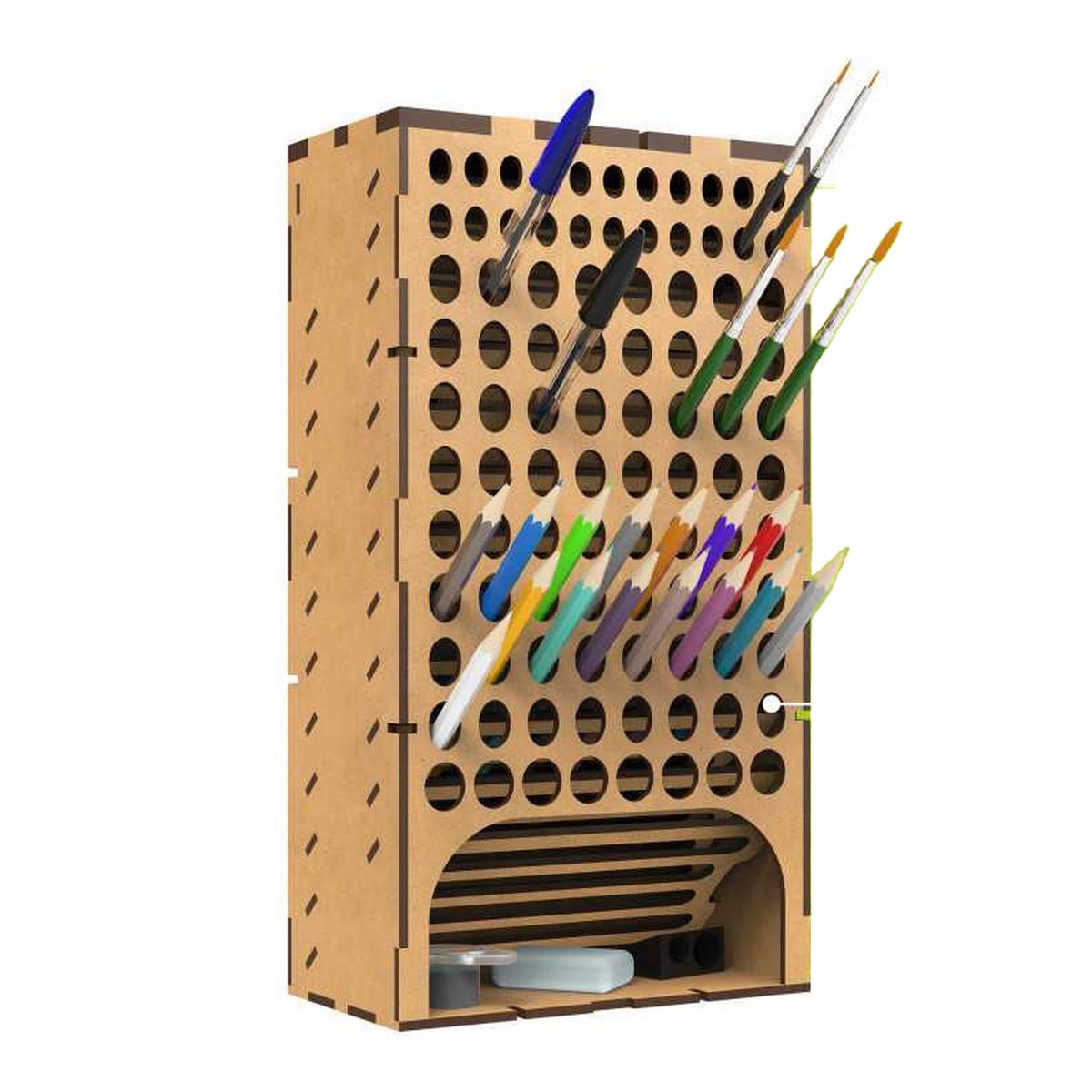
Green Stuff World
up to 10 brushes · 9.25" x 4.5" x 1.5"
TetraFab
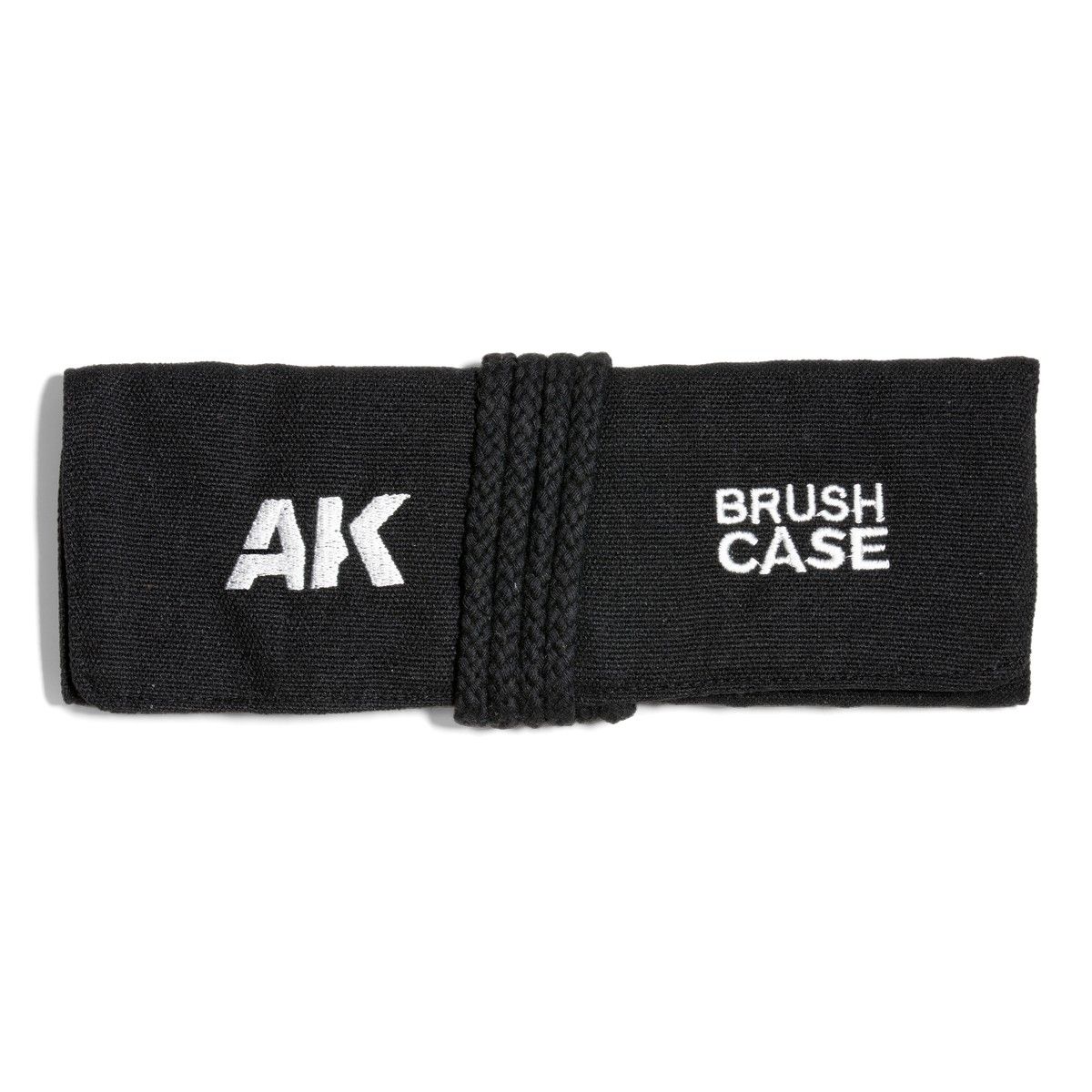
synthetic
AK Interactive
Common Mistakes
A quick summary of the things that kill brushes fastest, in order of how often they happen:
- Letting paint dry in the ferrule. This is the big one. Paint creeps up during painting and dries inside the metal sleeve, permanently splaying the bristles.
- Leaving brushes in water. Bends the tip, swells wooden handles, loosens the ferrule glue. Two minutes in the pot is fine, two hours is not.
- Using good brushes for rough techniques. Drybrushing, stippling, applying texture paste, and painting metallics are all hard on bristles. Use cheap synthetics for these.
- Not cleaning after each session. Even a quick rinse and reshape is better than nothing. But using brush soap takes 30 seconds and massively extends brush life.
- Stabbing the brush straight down. This pushes paint into the ferrule and permanently bends bristles. Use the side of the brush and let the tip do the detail work.
Quick Reference: Care Routine
Every few minutes: rinse in water, wipe on paper towel, check for paint near the ferrule.
After each session: rinse until water is clear, clean with brush soap, reshape the tip, leave soap in as conditioner.
Monthly: deep clean with brush cleaner, check for hidden paint build-up, retire any brushes past saving.
Shop for Brush Care Supplies
Pick up brush soap, cleaners, and storage solutions from our partner retailers.
The Masters Brush Cleaner & Preserver (1oz)
Best price
postage per seller
cheapest of 2 UK sellers · save £0.35 vs the most expensive · excl. delivery
We earn a small commission from qualifying purchases at no extra cost to you.